Seasonal Guide
Vancouver in Winter: Things to Do and Planning Tips
A realistic planning guide to Vancouver in winter, covering rain strategies, local mountain snow sports, indoor clusters, transit guidance, and winter road rules.
canadaguides.ca editorial desk · August 8, 2026 · 9 min read
Plan your visit
- Best months
- November through March for winter lights and snow sports
- Getting around
- SkyTrain, SeaBus, and transit buses with contactless tap payment
- Cost
- Mix of free parks and paid indoor museums; check official sites
- Good for
- Families, museum enthusiasts, indoor foodies, and winter sports lovers
- Time needed
- 3 to 5 days to balance city clusters and mountain excursions
- Accessibility
- High accessibility on public transit and in major indoor venues
Winter in Vancouver brings milder temperatures than the rest of Canada, paired with consistent rain in the lowlands and deep snow on the nearby mountains. Planning a trip between November and March requires balancing indoor city sights with quick weather-dependent trips to the North Shore slopes. This guide helps you navigate short winter daylight hours, organize wet-weather backups, manage local transit, and prepare for winter road rules.
In short: Vancouver winter travel revolves around indoor cultural clusters on rain-heavy days and spontaneous mountain trips when low clouds lift. Focus your itinerary around downtown sky-train hubs and build flexible days around early winter sunsets.
Operating hours, ticket costs, parking rates, and seasonal transit schedules change throughout the year. We do not print static prices that quickly fall out of date; instead, we link directly to the official operators and government authorities so you can verify current details before heading out.
Vancouver winter attractions compared
| Attraction | Best for | Suits | Typical visit | Cost type | Parking | Stroller access | Best season |
|---|---|---|---|---|---|---|---|
| Bloedel Conservatory | Tropical plant dome | All ages | Quick stop | Paid ticket | Paid, on-site | Fully accessible | Winter |
| Vancouver Art Gallery | Regional and modern art | Teens and adults | A couple of hours | Paid ticket | Paid nearby lots | Fully accessible | Year-round |
| Science World | Interactive indoor exhibits | Toddlers and kids | Half day | Paid, book ahead | Paid, on-site | Fully accessible | Rainy days |
| Museum of Anthropology | Indigenous Northwest Coast art | Teens and adults | A couple of hours | Paid ticket | Paid meter parking | Step-free routes | Year-round |
| Capilano Suspension Bridge | Canyon lights and forest walks | All ages | A couple of hours | Paid ticket | Paid, on-site | Limited trails | Winter evening |
| Grouse Mountain | Snowshoeing and light walks | All ages | Half day | Paid ticket | Paid, at base | Gondola step-free | Winter |
| Granville Island Public Market | Food tasting and craft shops | All ages | A couple of hours | Free entry | Paid, street and lots | Wheelchair accessible | Rainy days |
Our picks
Our editor picks reflect practical winter priorities, keeping you dry during cloudbursts and maximizing daylight hours.
- Best for toddlers: Bloedel Conservatory at Queen Elizabeth Park offers a climate-controlled tropical dome full of free-flying birds and exotic plants, perfect for short attention spans on wet mornings.
- Best for older kids: Science World at False Creek provides expansive hands-on galleries that easily absorb half a day when outdoor parks are rainlogged.
- Best free option: Granville Island Public Market lets you wander covered halls, watch working artisans, and sample local pastries without paying an admission fee.
- Best rainy-day option: The Museum of Anthropology at UBC features world-renowned Northwest Coast pole carvings housed entirely indoors.
- Best full-day outing: Grouse Mountain combines a aerial tram ride, snowshoe trails, and mountain-top dining within a short trip from downtown Vancouver.
Winter seasonality and daylight strategy
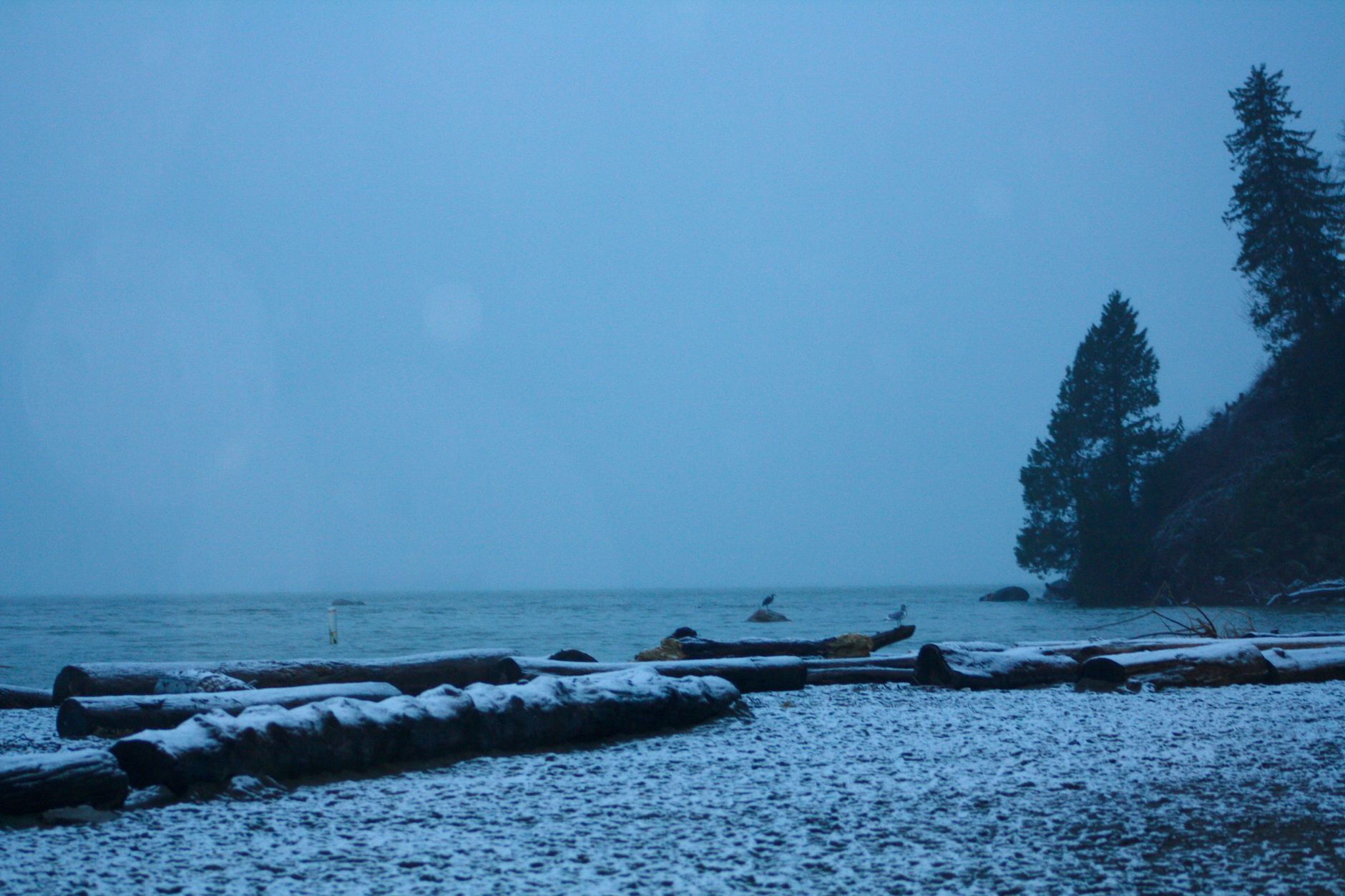
Vancouver in winter is defined by coastal dampness and short days. Sunlight wanes early in December and January, with twilight settling before five in the afternoon. Rather than fighting the weather, structure your daily schedule into clear daylight and after-dark windows.
Reserve the hours between nine in the morning and three in the afternoon for outdoor parks or scenic lookouts. When clouds break, head straight to Stanley Park or take the ferry across False Creek. Save indoor galleries, evening light displays, and restaurant dining for late afternoon and evening.
Rain varies by neighbourhood. The downtown peninsula and Richmond often sit under lighter drizzles, while the North Shore mountains pull heavy moisture straight off the Pacific Ocean. Pack a waterproof shell with an adjusted hood, waterproof footwear, and light layers rather than heavy down coats, which absorb damp air quickly.
Navigating the city and transit options
Vancouver features a connected public transit system managed by TransLink. The automated SkyTrain network links downtown to suburban centres, including direct service to Vancouver International Airport via the Canada Line. Downtown bus routes run frequently, and the SeaBus passenger ferry connects Waterfront Station to Lonsdale Quay on the North Shore.
Fares use a distance-based zone system during peak hours and flat rates in the evening and on weekends. You can tap contactless payment cards or stored-value transit cards at station gates and on buses. Check the official TransLink website for current fare structures, transit maps, and service alerts.
Driving downtown in winter involves heavy traffic congestion and restricted street parking. If you are staying downtown, relying on SkyTrain and walking is generally faster than driving. For broader regional exploration, check our Vancouver destination hub and our British Columbia provincial guide for broader trip context.
Parking reality and city driving
Street parking across downtown Vancouver, Gastown, and Fairview is metered and strictly enforced. Parking rates vary by block and time of day, with payment handled via meters or mobile parking apps. Most commercial parking garages downtown offer daily maximum caps, though these vary by location.
Major city parks, including Stanley Park and Queen Elizabeth Park, use paid pay-and-display parking lots managed by the City of Vancouver Board of Parks and Recreation. On rainy winter days, surface lots near major park pavilions offer reliable space, but underground parking facilities downtown fill quickly during weekday work hours.
If you plan to rent a car for city-only travel, consider booking accommodation that includes dedicated parking. Relying entirely on street parking downtown gets expensive and requires moving vehicles to adhere to morning rush-hour clearway regulations.
Key winter activities and indoor clusters
When heavy rain settles in, shift your focus to distinct indoor clusters across the city. The False Creek arts district groups Science World, Granville Island, and nearby galleries into a walkable corridor easily connected by passenger ferries.
Downtown holds major cultural facilities including the Vancouver Art Gallery and the main public library branch, featuring indoor atrium spaces and reading areas. Further west at the University of British Columbia, the Museum of Anthropology offers massive indoor exhibition spaces showcasing Indigenous Northwest Coast artwork and cultural heritage.
For outdoor time during drier spells, walk or cycle the Stanley Park Seawall. While some northern sections of the seawall close temporarily during high ocean tides and severe winter storms, the inner forest trails offer shelter beneath cedar canopy. For a comprehensive overview of year-round attractions, browse our honest Vancouver planning guide.
Avoid spending significant money on open-air hop-on hop-off tour buses in mid-winter. Cold downpours limit top-deck visibility, making standard public transit or targeted rideshares a more comfortable choice.
Costs and budgeting qualitatively
Vancouver is an expensive city, but winter offers modest relief on hotel rates compared to peak summer months. Most major indoor attractions charge paid admission fees, while city parks, public markets, and beaches remain free to enter.
To manage costs, mix paid museum visits with free covered spaces like Granville Island Public Market or local public ice rinks. Multi-attraction discount passes are occasionally offered by regional tourism boards, but individual tickets purchased online in advance remain the standard for science centres and mountain trams.
Always check individual attraction sites for accurate pricing, family bundle options, and discount entry times before booking. Check the Destination Vancouver official portal for seasonal city events and ticket links.
Family planning and winter practicalities
Travelling with kids during a wet Vancouver winter requires balancing high-energy indoor play with dry rest spots. Strollers handle well on city sidewalks and inside transit stations, as SkyTrain stations generally feature elevator access. However, unpaved park trails in Stanley Park can get muddy after prolonged rain.
Family washrooms are available at major transit hubs, museums, and park community centres. Science World features comprehensive family amenities, including nursing rooms, stroller parking, and on-site food service. For detailed kid-focused itineraries, read our Vancouver family planning guide.
Pack extra socks, rain pants, and spare gloves for toddlers in day bags. Kids handle outdoor cold well if their outer layer remains fully dry, but damp clothing ends park outings quickly.
Accessibility and mobility
Vancouver ranks high for urban accessibility. Major transit stations, ferry terminals, and city buses feature step-free options and are equipped with boarding ramps or level platforms. Downtown curb cuts are standard across all major intersections.
Indoor venues like the Vancouver Art Gallery, Bloedel Conservatory, and Science World generally provide wheelchair access, accessible washrooms, and elevator coverage across public floors. Outdoor sites present more variable conditions: while the main plazas at Queen Elizabeth Park are paved, secondary gravel paths can be soft during wet weather.
Capilano Suspension Bridge Park features paved pathways near the main entrance, but suspended bridge sections and treetop trails involve narrow walkways and stairs that are not wheelchair accessible. Check specific venue accessibility statements on their official sites prior to visiting.
Where to eat, stay, and organize day trips
For a winter stay, choose accommodation in Downtown, Yaletown, or the West End. Living close to a SkyTrain line eliminates the need to walk long distances in torrential downpours. Downtown hotels also put you within walking distance of broad restaurant choices along Robson, Alberni, and Denman Streets.
Gastown and Chinatown offer historic streetscapes and indoor dining options, while Granville Island is ideal for daytime food sampling. For a sample weekend layout, consult our 2-day Vancouver weekend itinerary.
For day trips, the North Shore mountains offer immediate access to winter sports. Local North Shore mountain resorts provide snowshoeing, skiing, and tubing. If travelling further north along Highway 99 toward Squamish or Whistler, ensure your vehicle is equipped to handle alpine winter conditions.
What to know before you go: winter roads and safety
British Columbia provincial law mandates winter tires or chains on designated highways during colder months. This rule applies to Highway 99 leading north out of Horseshoe Bay toward Whistler. Tires must display appropriate winter designation symbols with sufficient tread depth.
Check official driving conditions at DriveBC before taking a rental car into the mountains. Coastal rain in downtown Vancouver often transforms into heavy snow, ice, or freezing fog at higher elevations on the North Shore.
If hiking regional mountain trails, carry headlamps and thermal protection. Winter darkness settles rapidly under tree cover, and temperatures drop sharply once off the coastal valley floor.
Questions travellers ask
- Does it snow in downtown Vancouver during winter?
- Downtown Vancouver experiences rain for most of the winter, though heavy snowfalls occur a few times per season. Snow is far more consistent on the elevated North Shore mountains at Grouse, Seymour, and Cypress.
- What is the best way to get around Vancouver in winter without a car?
- The SkyTrain automated rail network and SeaBus ferry provide reliable, weather-protected transit across downtown, False Creek, and over to the North Shore. You can tap contactless credit or debit cards directly at transit gates.
- Are winter tires required when driving around Vancouver?
- Winter tires are not mandatory on low-elevation streets inside city limits, but BC provincial law requires winter tires or chains on designated highways like Highway 99 from October 1 through April 30.
- What should I do in Vancouver on a heavily rainy winter day?
- Explore indoor attraction clusters such as Science World, the Vancouver Art Gallery, the Museum of Anthropology at UBC, or the covered halls of Granville Island Public Market.
Sources & official links
Check before you go
- TransLink
Official Metro Vancouver public transit authority for SkyTrain, SeaBus, and buses.
- City of Vancouver Parks and Recreation
Official site for Bloedel Conservatory and municipal park spaces.
- Destination Vancouver
Official regional tourism board for Vancouver events and visitor information.
- DriveBC Winter Driving
BC provincial government winter tire requirements and highway safety rules.
- Science World
Official site for ticket reservations and visitor information at False Creek.
- Museum of Anthropology at UBC
Official site for visitor exhibits and admission details.
Keep reading
- Best Things to Do in Vancouver in Summer: Honest Planning Guide
- Best Vancouver Neighbourhoods to Explore: A Practical Planning Guide
- Romantic Things to Do in Vancouver for Couples
- Stanley Park: Practical Visitor Guide
- Best Day Trips from Vancouver: Honest Planning Guide
- Vancouver for First-Time Visitors: The Practical Planning Guide