Things To Do
Best Things to Do in Downtown Toronto: Practical Visitor Guide
A practical planning guide to navigating downtown Toronto, covering key sights from Front Street to Bloor, transit options, museum highlights, and realistic trade-offs.
canadaguides.ca editorial desk · August 21, 2026 · 8 min read
Plan your visit
- Best season
- May to October for walking; winter for indoor culture
- Getting around
- TTC subway, streetcars, and walking
- Cost type
- Mix of free public spaces and paid ticketed sights
- Time needed
- Two to three days for core downtown highlights
- Accessibility
- Elevator-equipped subway hubs and modern venues
Downtown Toronto is dense and straightforward to navigate, but first-timers often waste half a day backtracking between the Waterfront and Queen Street West. Picking between the CN Tower observation decks and Ripley's Aquarium of Canada comes down to whether you want skyline panoramas or an underwater tunnel walk. This guide covers the core downtown footprint between Front Street and Bloor Street, detailing top sites, walkability, transit options, and trade-offs for first-time visitors and returning travellers.
In short: Focus your time on a logical south-to-north route, starting at Front Street markets and moving north toward the cultural hub at Bloor Street. Skip trying to visit every major paid tower in one afternoon; pair one big-ticket highlight with free street-level exploring instead.
Note that entry fees, transit fares, operating hours, and seasonal dates change frequently. We link directly to official operator and government pages throughout this guide so you can verify current schedules and pricing before stepping out.
Downtown Toronto attractions compared
| Attraction | Best for | Suits | Typical visit | Cost type | Parking | Stroller access | Best season |
|---|---|---|---|---|---|---|---|
| CN Tower | Skyline views | All ages | A couple of hours | Paid, book ahead | Nearby paid lots | Step-free elevator | Year-round |
| Ripley's Aquarium | Marine life | Toddlers and kids | A couple of hours | Paid, book ahead | Nearby paid lots | Fully accessible | Year-round |
| St. Lawrence Market | Food halls | School age and adults | Quick stop | Free entry | Paid street parking | Fully accessible | Year-round |
| Distillery Historic District | Pedestrian shopping | Teens and adults | A couple of hours | Free entry | Nearby paid lots | Cobblestone uneven | Year-round |
| Royal Ontario Museum | History and science | All ages | Half day | Paid ticket | Nearby paid lots | Fully accessible | Year-round |
| Art Gallery of Ontario | Canadian art | Teens and adults | A couple of hours | Paid ticket | Nearby paid lots | Fully accessible | Year-round |
| Nathan Phillips Square | Civic landmark | All ages | Quick stop | Free | Underground paid lot | Fully accessible | Winter and summer |
Our picks
These picks represent our editorial recommendations for prioritizing your time in downtown Toronto.
- Best for toddlers: Ripley's Aquarium of Canada, where moving sidewalks under sharks keep young children engaged without requiring long walks.
- Best for older kids: We think the Royal Ontario Museum suits older children well, thanks to expansive dinosaur galleries and interactive natural history displays.
- Best free option: St. Lawrence Market, perfect for walking through historic food stalls and grabbing a quick local lunch.
- Best rainy-day option: Art Gallery of Ontario, offering massive indoor galleries and quiet lounges right along Dundas Street West.
- Best full-day outing: Waterfront and Harbourfront Centre, combining boardwalk walks, public art, and boat departures toward the Toronto Islands.
When to go to downtown Toronto
Downtown Toronto operates on distinct seasonal shifts. Summer brings open-air patio seating, waterfront festivals, and outdoor concerts, but it also brings higher hotel demand and larger crowds along Harbourfront. Autumn offers pleasant walking weather with cooler temperatures, making it easier to explore neighborhoods like Chinatown and Kensington Market on foot.
Winter transforms downtown into an indoor-focused destination connected by the PATH underground walkway network. Ice skating opens at civic plazas, and major museums offer quieter gallery spaces. Spring is unpredictable with rain and wind off Lake Ontario, though cultural institutions host seasonal exhibitions. If you are planning a broader trip across the province, explore our /destinations/ontario guide or jump straight to our comprehensive /destinations/ontario/toronto section.
Seasonal opening and closing dates change year to year — check each venue's own official page before you set out.
Getting to downtown Toronto and getting around
Arriving in downtown Toronto is straightforward whether coming from Toronto Pearson International Airport or regional transit hubs. Union Station serves as a central hub for regional trains and passenger rail services. The UP Express train links Pearson Airport directly to Union Station, bypassing surface traffic.
For moving through the core, public transit is far more efficient than driving. The Toronto Transit Commission operates subway Line 1 Yonge-University and Line 2 Bloor-Danforth through the downtown core. Line 1 forms a U-shape around the city centre, making north-south hops quick and simple. East-west streetcar routes along King Street, Queen Street, and College Street supplement the subway lines.
TTC transit fares feature contactless card tap options and transfer windows across subway, streetcar, and bus lines. Fares and pass structures change periodically; visit the official Toronto Transit Commission website for current pricing and route maps.
Parking in downtown Toronto
Driving in downtown Toronto presents traffic congestion and strict parking enforcement. On-street parking meters operate throughout the downtown grid, but spots during peak hours are limited. Turning restrictions on major arteries like Line 1 streetcar routes can make navigation tricky for visitors unfamiliar with local regulations.
Major underground parking garages operate beneath Nathan Phillips Square and near major attractions like the CN Tower and Harbourfront Centre. Private parking garages are available in the Financial District, though rates vary depending on event schedules at nearby arenas.
Our advice: park your vehicle in a multi-day commuter lot outside the city centre or at your hotel, then rely on walking and subway travel. For current city parking rates and municipal garage maps, consult the Toronto Parking Authority Green P portal.
Top things to do in downtown Toronto
CN Tower vs Ripley's Aquarium of Canada
Standing side by side south of Front Street, the CN Tower and Ripley's Aquarium of Canada form downtown's highest-density attraction zone. Choosing between them depends on your group's interests. The CN Tower offers glass elevator rides to observation decks overlooking Lake Ontario and the urban grid. Ripley's Aquarium features underwater viewing tunnels with moving walkways, touch tanks, and extensive marine habitats.
If time is tight, we recommend picking one rather than doing both in a single morning. For admission passes and timed booking details, check the official CN Tower website and the official Ripley's Aquarium of Canada website.
St. Lawrence Market and the Distillery Historic District
Walking east along Front Street brings you to St. Lawrence Market, a historic market housing butchers, bakers, cheese mongers, and local hot food vendors. It is an ideal spot to pick up a peameal bacon sandwich or explore artisanal Canadian cheeses.
A short walk further east leads to the Distillery Historic District, a pedestrian-friendly village featuring historic industrial architecture. Cobblestone walkways connect art galleries, local designer boutiques, cafes, and craft distilleries. Note that cobblestones can be uneven for strollers or visitors with mobility devices. Check tenant hours and event schedules at the official Distillery District directory.
Cultural anchors: ROM and AGO
For museum enthusiasts, two cultural institutions anchor downtown's northern and western edges. The Royal Ontario Museum sits near Queen's Park and Bloor Street West. It spans natural history galleries, world culture exhibits, and rotating international displays.
Further south, the Art Gallery of Ontario is located on Dundas Street West between McCaul Street and Beverley Street. The AGO focuses on Canadian visual arts, Indigenous works, and European masters inside a modern building designed by Frank Gehry. For bad-weather days, check our guide to the /ontario/toronto/best-things-to-do-in-toronto-on-a-rainy-day-indoor-guide. Plan your visit and verify exhibition schedules directly on the official Royal Ontario Museum page and the official Art Gallery of Ontario site.
Civic core and civic sights
Nathan Phillips Square is located directly in front of Toronto City Hall on Queen Street West. This civic space hosts the iconic illuminated Toronto sign, a reflecting pool that converts into a public ice-skating rink in winter, and frequent cultural gatherings. It is a natural walking stop when moving between the Eaton Centre shopping corridor and Queen West galleries.
What to skip
Our honest editorial assessment: skip paying for hop-on hop-off tourist bus tours in downtown Toronto. Core traffic congestion means these buses often sit stuck on Queen Street or Front Street, eating into your sight-seeing time. Walking and using the subway system is vastly faster and gives you a much better feel for city neighborhoods.
Costs and budgeting for downtown Toronto
Downtown Toronto expenses depend heavily on how many ticketed attractions you fit into a single day. Major museums, aquariums, and observation decks operate on paid single-entry tickets or timed reservations. Walking through historical neighborhoods, visiting public squares, and exploring indoor market spaces cost nothing for basic entry.
Money-saving passes exist that bundle top attractions into a single ticket, which suits travellers planning to hit three or four major sights in two days. Otherwise, buying individual timed tickets online in advance is the best way to secure entry while skipping ticket-counter queues.
Food budgets can be managed effectively by dining at market halls like St. Lawrence Market or taking advantage of casual lunch counters in Chinatown rather than sit-down restaurants for every meal. For up-to-date ticket pricing, verify current figures directly on each institution's official reservation page.
Downtown Toronto with kids and families
Navigating downtown Toronto with children requires factoring in distance and floor space. We find attractions like Ripley's Aquarium of Canada and the Royal Ontario Museum exceptionally child-friendly, offering wide corridors, ramps, and dedicated family rest areas.
If you are travelling with children, read our /ontario/toronto/best-things-to-do-in-toronto-with-kids-a-practical-family-guide for detailed itineraries. Public washrooms and baby-changing facilities are standard inside major institutions and shopping complexes like the Eaton Centre, but public washrooms along street-level sidewalk strips can be harder to locate.
Stroller access is excellent across modern facilities and subway stations equipped with elevators, though older streetcar stops or cobblestone streets in the Distillery District require extra attention. We recommend limiting young kids to two main activity stops per day to avoid burnout from urban walking.
Accessibility in downtown Toronto
Downtown Toronto offers accessible options, though older infrastructure presents occasional challenges. Major cultural sites including the CN Tower, Art Gallery of Ontario, Royal Ontario Museum, and Ripley's Aquarium feature barrier-free entrances, automatic doors, step-free elevator access, and accessible washroom stalls.
Public transit accessibility continues to expand. Line 1 and Line 2 subway stations feature elevators at key transfer hubs like Union Station, Bloor-Yonge, and Dundas, though visitors should check live elevator status before riding. Accessible streetcars operate on core downtown routes with ramp deployment available upon request.
For cobblestone areas like the Distillery Historic District, step-free paved pathways run parallel to main pedestrian corridors. Always consult the official accessibility statement on each destination's site to confirm specific facility features before your visit.
Where to eat, stay, and venture nearby
Dining corridors
Downtown dining spans distinct neighborhood corridors. Front Street East and Market Street near St. Lawrence Market offer casual markets and pubs. Chinatown along Spadina Avenue and Kensington Market just west of Dundas offer diverse street food, noodle shops, and independent bakeries. Queen Street West provides trendy cafes and casual bistros suitable for dinner after gallery visits.
Accommodation hubs
Staying near Union Station or along University Avenue places you within short walking distance of both the subway line and major southern sights like the waterfront and sports venues. Be aware that hotel rates often fluctuate during major conventions, sporting events, and summer weekends.
Day trips nearby
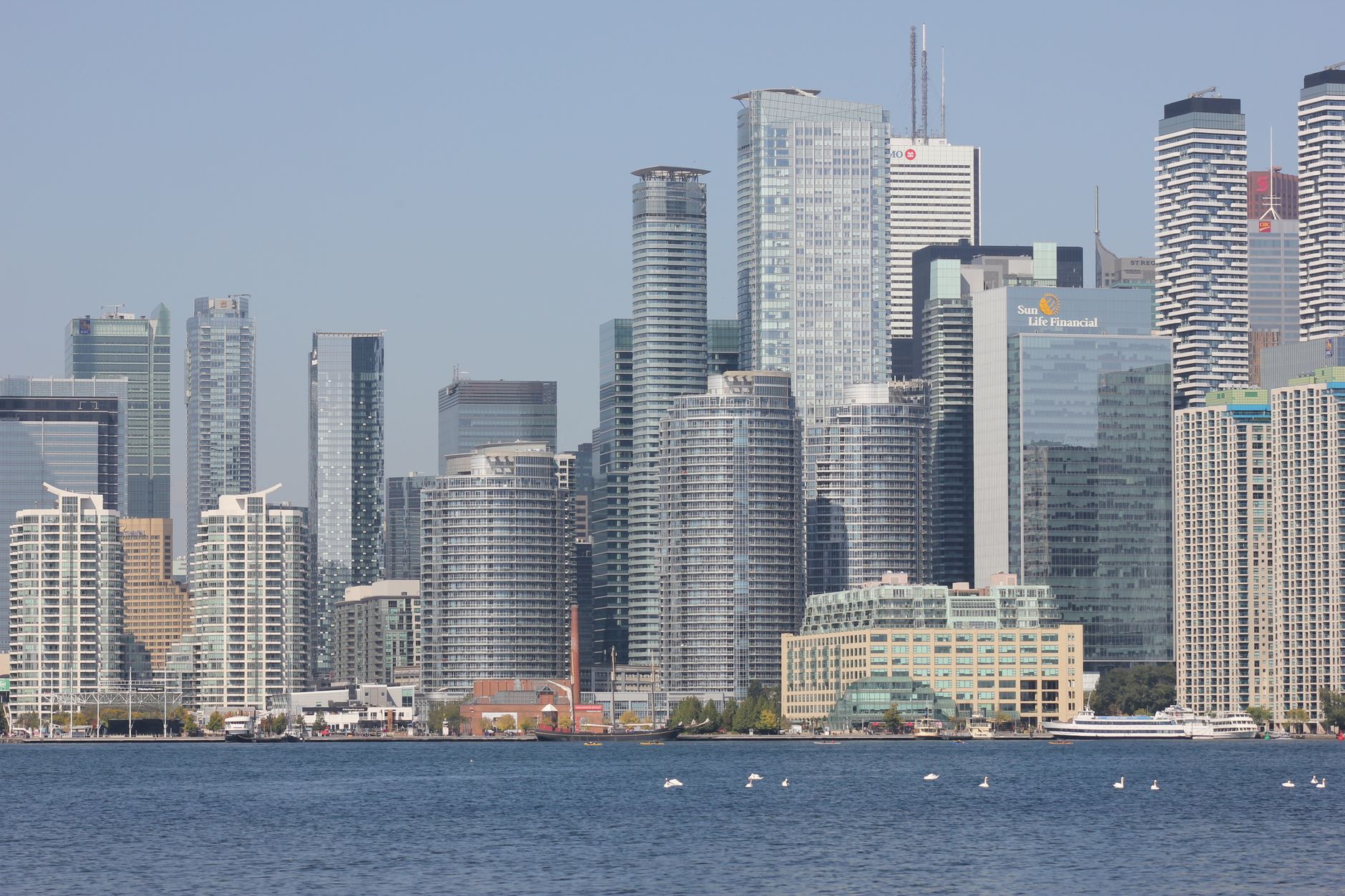
If you want to step away from the concrete core, the Toronto Islands are accessible via a short ferry ride from the Jack Layton Ferry Terminal at the foot of Bay Street. The islands offer traffic-free parkland, walking trails, and classic views of the downtown skyline looking north across Toronto Harbour. Check ferry schedules and boarding information on the official City of Toronto ferry site.
Practical tips before you visit downtown Toronto
- Book timed tickets early: Popular attractions like the CN Tower and Ripley's Aquarium use timed ticket entry. Booking online in advance guarantees your entry window.
- Use the PATH network in cold weather: Toronto's underground PATH pedestrian network connects subway stations, office towers, and shopping centres beneath the Financial District, providing shelter during severe winter weather or heavy rain.
- Mind transit transfer rules: When paying with contactless card taps on TTC streetcars or subways, ensure you tap off or maintain valid transfer windows according to TTC regulations.
- Stay aware on streetcar tracks: Cyclists and pedestrians should take care around streetcar tracks embedded in downtown asphalt, especially when crossing wet streets along King or Queen Street.
- Plan around major events: Downtown road closures frequently occur for major summer marathons, festivals, and parades. Check municipal road notice advisories on the official city portal prior to driving into the downtown core.
Questions travellers ask
- Is downtown Toronto walkable for tourists?
- Yes, downtown Toronto is highly walkable within major neighborhood clusters like Front Street, Queen Street West, and the Bloor-Yorkville museum district. For moving north-south between these clusters, using TTC Line 1 subway is much faster than walking the entire distance.
- Which major attraction should I prioritize if I only have one day?
- If you have one day, focus on the south downtown cluster around Front Street. Start with St. Lawrence Market, visit either the CN Tower or Ripley's Aquarium of Canada, and finish with an evening walk through the Distillery Historic District.
- Do I need a car to visit downtown Toronto?
- You do not need a car in downtown Toronto, and driving is generally discouraged due to congestion and paid parking. Public subway lines, streetcars, and walking easily connect every major downtown attraction.
- How much does it cost to visit downtown Toronto attractions?
- Costs vary depending on your itinerary. Walking through public spaces like St. Lawrence Market, the Distillery District, and Nathan Phillips Square is free, while major spots like the CN Tower and museums require paid admission tickets. Check official attraction pages directly for current rates and timed reservation passes.
- What is the best way to get to downtown Toronto from Pearson Airport?
- The Union Pearson Express train is the most direct transit option, connecting Pearson Airport directly to Union Station in downtown Toronto. Check the official UP Express transit page for current schedule frequency and pass options.
Sources & official links
Check before you go
- Toronto Transit Commission (TTC)
Official transit route maps, subway updates, and fare guidelines.
- CN Tower Official Site
Timed admission details, elevation specs, and visitor guidelines.
- Ripley's Aquarium of Canada
Ticket booking, exhibit information, and family access rules.
- Royal Ontario Museum
Exhibition schedules, accessibility info, and ticket booking.
- Art Gallery of Ontario
Gallery collections, special exhibitions, and visitor planning.
- The Distillery Historic District
Merchant directory, historical walking info, and event calendars.
- City of Toronto Tourism Portal
Municipal ferry schedules, park information, and civic advisories.
Keep reading
- Romantic Things to Do in Toronto: A Couples Planning Guide
- Best Things to Do in Toronto on a Rainy Day: Indoor Guide
- Things to Do in Toronto: Practical Guide for Visitors
- How Many Days Do You Need in Toronto? Realistic Itinerary Guide
- Best Day Trips from Toronto: Practical Planning Guide
- Best Things to Do in Toronto in Summer: Practical Planning Guide