Local Tips
Ottawa for First-Time Visitors: Planning Guide and First-Hand Advice
Everything first-time visitors need to plan a trip to Canada's capital, from Parliament tour reservations and museum strategies to transit rules and neighbourhood choices.
canadaguides.ca editorial desk · August 22, 2026 · 8 min read
Plan your visit
- Best months
- May to October for warm walking weather; January to February for winter canal skating.
- Getting around
- Walkable downtown core, supported by OC Transpo O-Train Line 1 and buses.
- Cost shape
- Mix of free outdoor sites and ticketed museums; check official sites for current rates.
- Good for
- History, national museums, art galleries, architecture, outdoor walking, and family travel.
- Time needed
- 2 to 3 days for core national sights and central neighbourhoods.
- Accessibility
- High level of step-free access across light rail and modern federal cultural buildings.
Most first-time visitors arrive in Ottawa expecting a sprawling government campus and leave surprised by how compact, walkable, and distinct its core neighbourhoods feel. Canada's capital sits directly on the boundary between Ontario and Quebec, giving the region a distinct bilingual character where crossing a bridge lands you in a different province. This guide is built for travelers planning their initial trip to Ottawa who need to structure their days, select the right neighbourhood, and navigate ticket systems without wasting time.
In short: Base yourself in Downtown or Centretown to reach major sites on foot, and reserve your Parliament tours and national museum tickets online well in advance of arrival. Plan for two to three days to cover the national cultural institutions, the Rideau Canal waterfront, and Gatineau Park without rushing.
Fees, transit fares, operating hours, and seasonal schedules change frequently across government buildings and attractions. We link directly to official agency and operator sites throughout this guide so you can confirm current pricing and access rules before setting out.
Ottawa attractions compared
| Attraction | Best for | Suits | Typical visit | Cost type | Parking | Stroller access | Best season |
|---|---|---|---|---|---|---|---|
| Parliament Hill | Canadian history | All ages | A couple of hours | Free, book ahead | Paid street/garage | Excellent | Year-round |
| Canadian Museum of History | Indigenous history | All ages | Half day | Paid ticket | On-site garage | Excellent | Year-round |
| National Gallery of Canada | Fine arts | Teens and adults | A couple of hours | Paid ticket | On-site garage | Excellent | Year-round |
| Rideau Canal | Scenic walks | All ages | Quick stop | Free | Street parking | Good on paths | Summer / Winter |
| ByWard Market | Dining and markets | All ages | A couple of hours | Free, paid items | Garage nearby | Moderate | Spring to Autumn |
| Canada Aviation and Space Museum | Flight history | School age | A couple of hours | Paid ticket | On-site lot | Excellent | Year-round |
| Gatineau Park | Hiking and outlooks | Teens and adults | Half day | Free, seasonal parking fee | Dedicated lots | Limited on trails | Autumn |
Our picks
Our editorial team selection highlights the top stops for a first visit based on ease of navigation and historical significance:
- Best for first-timers: Parliament Hill, because taking an official guided tour provides immediate context on Canadian government and architectural history.
- Best for repeat visitors: Gatineau Park, which offers extensive trail networks and elevated views across the Ottawa River valley just minutes from the urban center.
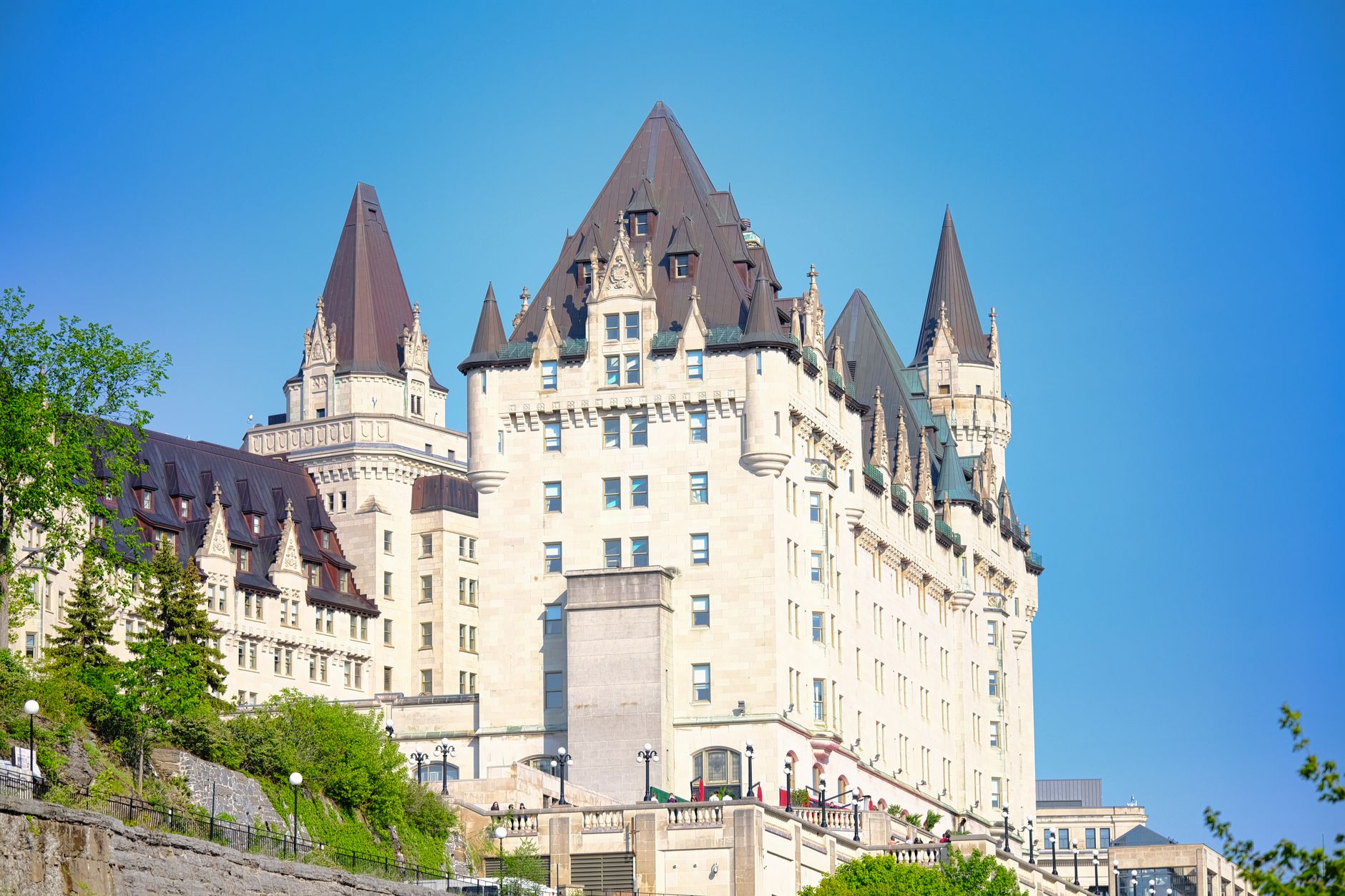
- Best free option: Walking along the Rideau Canal locks down to the Ottawa River shoreline behind the Fairmont Château Laurier.
- Best rainy-day option: The Canadian Museum of History, which features massive indoor exhibition halls and dedicated spaces covering thousands of years of human heritage.
- Best full-day outing: Combining the National Gallery of Canada with an afternoon stroll through the surrounding Sussex Drive corridor and Major's Hill Park.
When to go: seasonal trade-offs
Ottawa experiences four distinct seasons, each radically altering how you move through the city. Summer brings warm weather, outdoor patio dining, and lively waterfront activity along the canal, though popular attractions see higher visitor numbers. Autumn delivers vibrant fall foliage across Gatineau Park and comfortable walking temperatures throughout the downtown core.
Winter brings deep cold and snowfall, transforming the Rideau Canal into an iconic outdoor skating corridor when ice conditions permit. Spring arrives with variable rainfall and cooler temperatures, highlighted by widespread tulip displays across urban parks during May. If you visit in winter, pack heavy outerwear, insulated boots, and layered clothing to deal with freezing winds off the Ottawa River.
Seasonal opening and closing dates change year to year — check the official Ottawa Tourism site before you go to review seasonal event programming and trail conditions.
Getting there and getting around
Ottawa is accessible via highway 417 (the Trans-Canada Highway), Via Rail service into Ottawa Station, and flights into Ottawa Macdonald-Cartier International Airport. The main urban core is notably compact, making walking the primary transit method between Parliament, the ByWard Market, and downtown hotels.
For longer hops, OC Transpo operates the municipal public transit network. OC Transpo operates the O-Train Line 1 light rail transit system across central Ottawa. The light rail line connects key downtown stations like Lyon, Parliament, Rideau, and uOttawa, providing rapid travel across the east-west downtown corridor.
Fares use a fare-card or contactless payment system for single rides and day passes. Transit fares change periodically — see the official OC Transpo website for current pricing and system maps. You can also review our broader Ontario travel hub for province-wide transport connections.
Parking strategy and realistic options
Driving in downtown Ottawa is straightforward, but parking near major government sites requires careful planning. On-street parking uses smart meters with time limits, which are strictly enforced during business hours. Central parking garages located under municipal buildings or commercial complexes provide reliable shelter during winter storms, though rates accumulate over a full day.
If you stay at a downtown hotel, expect daily parking fees charged to your room folio. The most practical alternative for day trips from the suburbs is using OC Transpo Park & Ride facilities at outer stations, taking Line 1 directly into the central station network. Parking fees may apply at select lots; check municipal guidelines on the City of Ottawa portal before parking.
What to actually do
First-time itineraries should prioritize a balance of national history, art galleries, and open spaces. Start at Parliament Hill to appreciate the Gothic Revival architecture along Wellington Street. Guided tours of Parliament Hill require advance reservations booked online through the Parliament of Canada official ticketing portal. Free timed tickets allow access inside key working spaces like West Block and the Senate building while the historic Centre Block undergoes long-term rehabilitation.
Next, walk down toward the Rideau Canal National Historic Site, which is administered by Parks Canada. The lockstation steps down dramatically into the Ottawa River, offering a prime view of the historic locks in action during the navigation season.
Across the canal sits the National Gallery of Canada, easily recognizable by its soaring glass spires. The National Gallery of Canada sits along the Ottawa River waterfront. Its collections focus on Indigenous, Canadian, and international art. For detailed daily trip planning, see our dedicated Ottawa weekend guide.
Just across the Alexandra Bridge stands the Canadian Museum of History, located across the Ottawa River in Gatineau, Quebec. Its Grand Hall displays prominent totem poles framed against views of Parliament Hill.
What to skip on a first visit: Skip trying to squeeze every single national museum into a two-day trip. Visiting more than two major museums in a single day leads to visual fatigue. Skip the drive-thru commercial strip shopping outside the urban core — focus your time within the walkable central grid instead.
Costs and budget guidance
Ottawa offers a healthy mix of free sights and paid attractions. Strolling Parliament Hill, exploring the ByWard Market public corridors, walking along the Rideau Canal, and exploring Major's Hill Park cost nothing. Most national museums charge paid admission, though many offer designated free-admission time slots on select weekday evenings, which must often be reserved online ahead of time.
National park passes cover entry to participating heritage sites across the country, though they generally exclude municipal transit and city-run museum admissions. Check the official operator sites linked in this guide to confirm current ticket pricing and pass accepted locations. For more ideas on managing costs while traveling with family, consult our guide to Ottawa with kids.
Families and kids advice
Ottawa is exceptionally family-friendly, featuring wide sidewalks, smooth multi-use pathways, and accessible museum facilities. The Canada Science and Technology Museum and the Canada Aviation and Space Museum cater directly to younger visitors with interactive, hands-on displays.
Strollers are accommodated easily on the O-Train Line 1 and throughout all modern federal museum facilities, which feature elevators, wide ramps, and spacious family washrooms. Our advice: plan high-energy museum visits for the morning hours, followed by outdoor park time along the Rideau Canal or Major's Hill Park in the afternoon to avoid mid-day meltdowns.
Accessibility considerations
Ottawa's central attractions meet modern accessibility standards, though historic cobblestone pathways around ByWard Market and Parliament Hill require extra care. Federal museums offer step-free main entrances, automatic doors, power-assisted elevators, and accessible washrooms on all public floors.
OC Transpo's O-Train stations feature elevator access, tactile platform edges, and step-free train boarding. Accessible parking spaces are designated in downtown municipal garages and museum parking lots. For specific accessibility accommodations or manual wheelchair rental details at historic properties, consult individual site accessibility pages prior to your visit.
Where to eat and stay by area
- Downtown / Centretown: Ideal for first-timers who want to walk everywhere. Places you within a 15-minute walk of Parliament Hill, the Rideau Canal, and Rideau Centre shopping.
- ByWard Market: Excellent for travelers who want immediate access to restaurants, cafes, and nightlife right outside their door. Can be louder late on weekend nights.
- Gatineau (Hull sector): Located just across the river in Quebec. Offers direct access to the Canadian Museum of History and Gatineau Park while remaining connected via river bridges.
- Golden Triangle: A quiet, residential-feeling enclave along the east bank of the canal, ideal for peaceful evening walks while remaining close to downtown dining.
When dining out, try regional specialties such as fresh pastry Beavertails along ByWard Market streets, locally crafted beers, and authentic Quebec-style poutine served in neighbourhood bistros.
Practical rules: what to know before you go
- Bilingualism: Ottawa is officially bilingual. Government workers, hospitality staff, and public signage communicate in both English and French. A friendly "Hello / Bonjour" is standard greeting etiquette.
- Parliament Security: Entering Parliament Hill facilities involves passing through security screening. Leave large bags or prohibited items at your hotel.
- Crossing to Quebec: Walking or driving across the river into Gatineau takes only a few minutes, but provincial rules differ. Speed limits are posted in kilometres per hour on both sides of the river.
- Weather Prep: Summer weather can be hot and humid, while winter temperatures frequently drop well below freezing. Check local forecasts daily and dress appropriately for outdoor walking.
For more specialized planning advice, explore our guides on Ottawa in summer and Ottawa in winter or view the full Ottawa destination hub. You can also read our deep dive on Parliament Hill visitor tips.
Questions travellers ask
- How many days should a first-time visitor spend in Ottawa?
- Plan on two to three full days. This allows adequate time to tour Parliament Hill, visit two national museums, walk the Rideau Canal locks, and explore the ByWard Market without feeling rushed.
- Do I need a car when visiting Ottawa for the first time?
- No car is necessary if you stay in Downtown, Centretown, or ByWard Market. Major national sights are within walking distance or easily reached using OC Transpo's O-Train network.
- Is French required to navigate Ottawa as a tourist?
- No. Ottawa is officially bilingual, and services, public transit, and museum tours are readily available in both English and French.
- How do I tour the Parliament buildings?
- Reserve free timed guided tickets online through the official Parliament of Canada visiting portal before your trip, as walk-up tickets are subject to limited availability.
Sources & official links
Check before you go
- Ottawa Tourism
Official destination marketing organisation for event listings and visitor information.
- Parliament of Canada Visiting Portal
Official portal to reserve free guided tour passes for Parliament buildings.
- OC Transpo
Municipal transit authority operating the O-Train light rail and city bus network.
- National Gallery of Canada
Official portal for visual arts exhibitions and visitor planning.
- Canadian Museum of History
National museum page for exhibition details and timed ticketing.
- Parks Canada - Rideau Canal
Federal park agency managing the Rideau Canal National Historic Site.
Keep reading
- Ottawa in Winter: Things to Do and Planning Guide
- Parliament Hill Visitor Guide: Tours, Rehabilitation and Practical Tips
- Ottawa in Summer: Things to Do and Planning Guide
- Ottawa with Kids: The Complete Family Travel Guide
- Ottawa Weekend Guide: 2-Day Itinerary
- Quebec City for First-Time Visitors: Planning & Travel Guide