Things To Do
Things to Do in Banff: A Practical Planning Guide
A practical guide to exploring Banff National Park, covering transit connections, shuttle reservations, seasonal timing, family advice, and essential park regulations.
canadaguides.ca editorial desk · August 7, 2026 · 9 min read
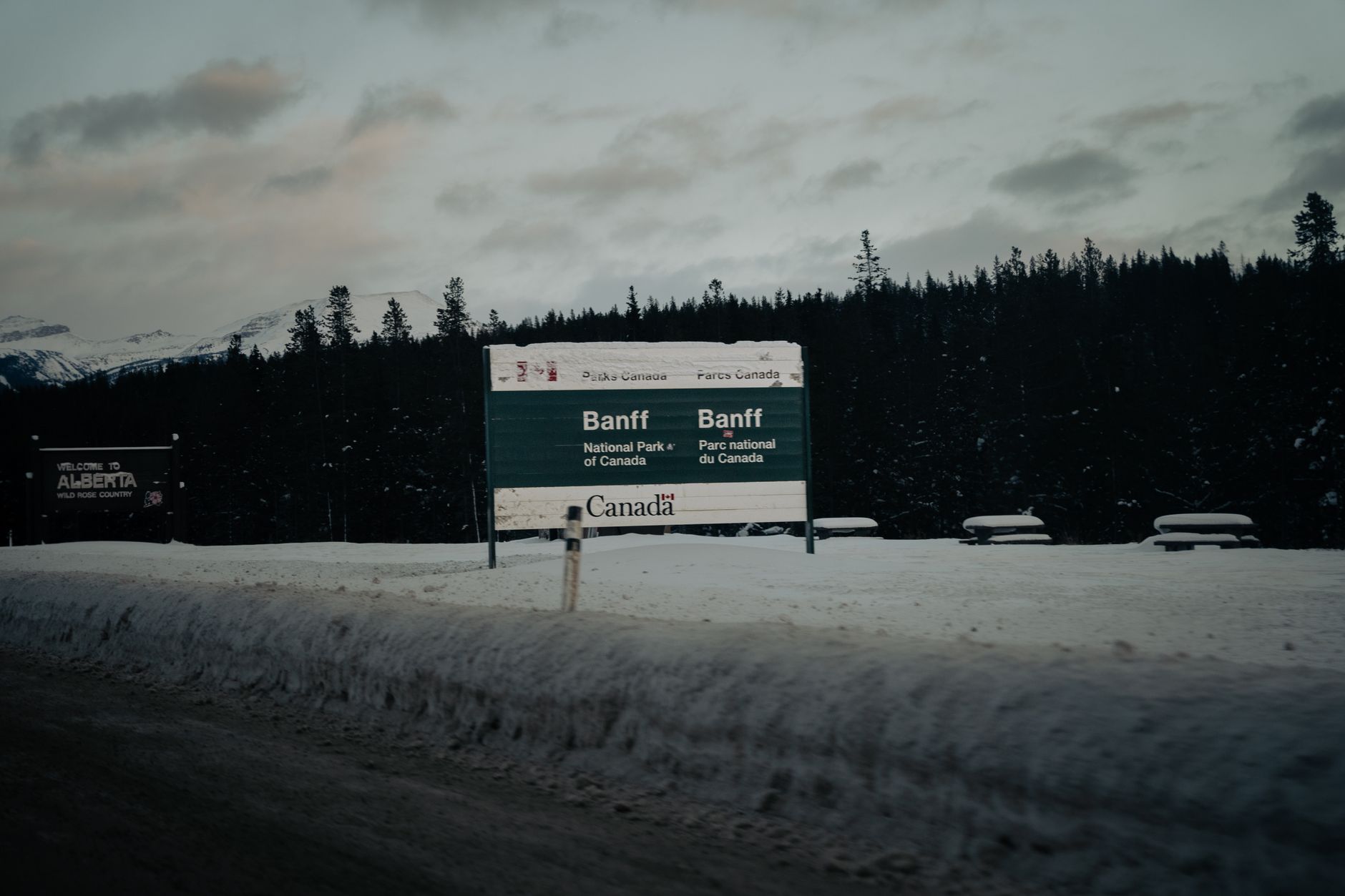
Plan your visit
- Best months
- July to September for hiking; December to March for snowsports
- Getting around
- Roam Transit buses, Parks Canada shuttles, or personal car
- Cost structure
- Mandatory park pass; mix of free natural sites and ticketed attractions
- Time needed
- 3 to 5 days for main highlights
- Accessibility
- Paved pathways at Lake Louise, Vermilion Lakes, and Banff Gondola
In short: Moraine Lake has no public road access for private vehicles — you reach it by shuttle, bus or guided tour, and that single fact reshapes most Banff itineraries. Banff National Park packs alpine lakes, mountain hiking, ski terrain and thermal springs into the Bow Valley, all within a short drive of one small townsite. This guide is for visitors planning a first trip of two to five days who want to know what to book ahead, what to leave flexible and how to move around without a car. Success here comes down to using Roam Transit and the Parks Canada shuttles well, reserving Lake Louise and Moraine Lake seats early, and planning around seasonal closures.
Because entrance fees, parking rates, shuttle fares, and daily operating hours change frequently, this guide provides qualitative advice and links directly to official operators so you can verify current schedules and pricing before traveling.
Banff attractions compared
| Attraction | Best for | Suits | Typical visit | Cost type | Parking | Stroller access | Best season |
|---|---|---|---|---|---|---|---|
| Lake Louise | Icon viewing | All ages | A couple of hours | Free, paid parking | Paid, fills early | Paved path | Year-round |
| Moraine Lake | Canoeing & vistas | School age & up | Half day | Paid shuttle | Shuttle access only | Partial boardwalk | Summer & autumn |
| Banff Gondola | Mountain panoramas | All ages | A couple of hours | Paid ticket | Free on site | Fully accessible | Year-round |
| Johnston Canyon | Waterfalls & catwalks | All ages | Half day | Free | Paid, fills early | Paved to lower falls | Summer & winter |
| Cave and Basin | History & thermal springs | All ages | Quick stop | Paid ticket | Free on site | Fully accessible | Year-round |
| Lake Minnewanka | Boat cruises & shore walks | All ages | Half day | Free, ticketed cruise | Paid on site | Shoreline trail partial | Summer & autumn |
Our picks
Our editorial recommendations highlight the best options based on how you travel:
- Best for toddlers: Cave and Basin National Historic Site, where flat boardwalks, interactive exhibits, and gentle boardwalk trails keep small children engaged without steep drop-offs.
- Best for older kids: Johnston Canyon, thanks to suspended catwalks over rushing water, dark canyon walls, and a dramatic cave viewing platform at the lower waterfall.
- Best free option: Bow Falls and the Bow River Trail, offering an easy walk right from downtown Banff along wide, flat paths with views of the historic Fairmont Banff Springs hotel.
- Best rainy-day option: Banff Centre for Arts and Creativity or the Whyte Museum of the Canadian Rockies, providing indoor galleries, cultural exhibits, and mountain history archives.
- Best full-day outing: The Lake Louise and Moraine Lake shuttle circuit, pairing both legendary glacial lakes with excellent shoreline hiking trails.
When to go: Summer alpine vs. winter snow
Banff changes completely between seasons, and choosing when to visit depends on what you want out of the mountains.
Summer brings long daylight hours, open hiking trails, and full access to alpine lakes. We find that warm weather draws large crowds, particularly at Lake Louise, Moraine Lake, and downtown Banff along Banff Avenue. Late spring and early summer feature rushing waterfalls from snowmelt, while mid-summer yields clear alpine trails at higher elevations.
Autumn arrives early in the Canadian Rockies. Larch foliage turns golden in high valleys during September, making high-elevation hikes extremely popular. Morning frosts are common, and high mountain passes can receive snowfall early in the fall season. Check the Parks Canada trail conditions page before heading out.
Winter transforms the region into a cold-weather destination centered on skiing, snowshoeing, and ice skating. Banff Sunshine, Lake Louise Ski Resort, and Mount Norquay operate winter ski hills. Lower-elevation trails like Johnston Canyon freeze into dramatic ice walls suitable for ice-walking tours. Winter driving here means mountain conditions: winter tires are strongly advised, some routes post seasonal tire requirements, and severe weather can temporarily close mountain passes. Check Alberta 511 for road conditions before you drive.
Spring is a quiet transition period. High-elevation hiking trails remain snowbound, while lake ice thaws gradually. It is a peaceful time to explore downtown galleries, soak in hot springs, or walk lower valley trails, provided you dress for variable wet and cold weather.
Getting around without a car: Roam Transit and regional shuttles
Navigating Banff National Park without a car is straightforward thanks to local public transportation. The local transit authority, Roam Transit, operates public bus routes connecting the town site to key landmarks, neighboring communities, and major trailheads.
- Sulphur Mountain service: Connects downtown Banff directly to the Banff Gondola and Banff Upper Hot Springs on Sulphur Mountain.
- Route 2: Serves Tunnel Mountain campgrounds, youth hostels, and the Banff Centre.
- Lake Louise express: Provides regional bus service between downtown Banff and Lake Louise.
- Route 10: Connects downtown Banff with Johnston Canyon during peak warmer months.
Roam Transit uses a combination of single fares, day passes, and electronic tap payments. Fares and seasonal transit schedules change over time, so review current transit details on the Roam Transit website when mapping out your itinerary.
For visitors flying into Calgary International Airport, regional airport shuttles operate directly from the airport terminal to Banff and Lake Louise hotels, eliminating the need to rent a car for your entire stay in /destinations/alberta.
Parking realities and shuttle reservations
Driving in Banff during peak periods requires strategy. Downtown parking space is limited, and the Town of Banff enforces paid visitor parking across the commercial core to manage congestion. Check current parking maps and rates on the Town of Banff parking portal.
Parking at high-demand natural sites presents an even bigger challenge. We recommend arriving early, as Lake Louise parking lots tend to fill quickly each morning. Moraine Lake Road is closed year-round to personal vehicles, meaning visitors cannot drive private cars directly to Moraine Lake.
To visit Moraine Lake or ensure access to Lake Louise without driving stress, rely on the official shuttle system. Parks Canada operates park-and-ride shuttles departing from the Lake Louise Park and Ride lot located at the Lake Louise Ski Resort.
Key details for shuttle planning:
- Advance reservations: Parks Canada shuttle seats to Lake Louise and Moraine Lake are reserved online in advance and sell out. Reservations open in stages before and during the season, so check the release dates and book as early as you can on the Parks Canada Lake Louise and Moraine Lake shuttle page.
- Super Pass convenience: Parks Canada shuttle reservations include access to a connector shuttle running between Lake Louise shoreline and Moraine Lake, allowing you to see both lakes in one day.
- Roam Express option: Roam Transit Route 8X offers direct connections from downtown Banff to Lake Louise, providing an alternative to driving to the park-and-ride lot.
- Commercial operators: Private charter buses and commercial tour operators also run guided services to both lakes.
Review the Parks Canada reservation service to check release dates, reserve shuttle seats, and view current pass policies.
What to do in Banff: The top experiences
Explore Lake Louise and Moraine Lake
Lake Louise and Moraine Lake are the park's most famous glacial waters, fed by high-altitude glaciers and suspended rock flour that creates vivid turquoise hues. At Lake Louise, a flat paved shoreline trail leads past the historic Fairmont Château Lake Louise, while steeper trails climb toward the Agnes Lake Tea House or Plain of Six Glaciers. At Moraine Lake, climb the short Rockpile Trail for classic elevated views over the Valley of the Ten Peaks.
Ride the Banff Gondola up Sulphur Mountain
Located minutes from downtown, the Banff Gondola ascends Sulphur Mountain. At the summit, a boardwalk trail leads to the historic Sanson's Peak Meteorological Station. The summit building houses interactive interpretative centers, indoor restaurants, and an observation deck overlooking the Bow Valley. Book timed tickets online in advance through the official operator, Pursuit Banff Jasper Collection, to secure your preferred time slot.
Walk the suspended catwalks of Johnston Canyon
Johnston Canyon is a dramatic limestone gorge carved by rushing water. A constructed catwalk attached directly to the canyon walls allows hikers to walk along the interior of the canyon toward Lower Falls and Upper Falls. The trail to Lower Falls is relatively flat and suitable for most fitness levels, featuring a short tunnel that opens onto a misty waterfall viewing cave. Continuing to Upper Falls involves steeper switchbacks. During winter, frozen ice falls attract ice climbers, and traction cleats are recommended for safe walking.
Walk downtown Banff and Bow Falls
Downtown Banff along Banff Avenue offers retail shops, art galleries, gear outfitters, and local dining options. From the south end of Banff Avenue, cross the Bow River Bridge to visit the Cascades of Time Garden, a manicured public garden with historic stone structures. A flat walking path follows the river downstream toward Bow Falls, where the Bow River drops over limestone ledges near the Banff Springs Hotel.
Cruise Lake Minnewanka
Lake Minnewanka is the largest lake in Banff National Park. Located a short drive northeast of the Banff town site, it offers lakeshore walking paths, picnic areas, and boat rentals. Interpretive boat cruises sail the length of the lake toward Devil's Gap, highlighting mountain geology, local wildlife, and indigenous history. Reserve boat cruise departures through the operator via the Lake Minnewanka Cruise page.
Our honest take on an overrated stop: Banff Upper Hot Springs
While soaking in natural thermal waters sounds appealing, Banff Upper Hot Springs operates essentially as a large concrete outdoor swimming pool filled with geothermal water. During peak summer afternoons and winter weekends, we often see waiting lines stretch long, and the pool itself can feel crowded. If you go, visit early in the morning or late in the evening for a quieter experience. Alternatively, trade the crowded hot springs pool for a visit to the historic underground thermal spring display at the Cave and Basin National Historic Site.
Understanding costs: Park passes, transit, and ticketed activities
Visiting Banff National Park involves several distinct costs, from mandatory national park entry permits to individual activity passes.
Parks Canada Park Pass
A valid Parks Canada pass is required to stop or stay in Banff National Park, and passes are checked at the park gates — see the Parks Canada Banff fees page. Pass options include:
- Day Pass: Covers entry to Banff, Jasper, Yoho, Kootenay, and surrounding national parks until 4:00 PM on the day following purchase.
- Discovery Pass: An annual family or individual pass offering entry to over 80 Parks Canada locations across the country for twelve months.
Park passes can be purchased online, at park entry gates along Highway 1 (Trans-Canada Highway), or at the Banff Visitor Centre on Banff Avenue. Pass revenue funds trail maintenance, ecological conservation, and visitor facilities. Check current pass pricing on the official Parks Canada park pass page.
Activity and attraction costs
Natural attractions like Johnston Canyon, Bow Falls, Lake Louise shoreline, and Moraine Lake trails carry no admission fee beyond your park pass. Commercial attractions—including the Banff Gondola, Lake Minnewanka cruises, and commercial hot springs entry—require separate paid tickets. Booking commercial attractions online in advance often secures lower rates compared to walk-up window pricing.
Visiting Banff with kids and families
Banff is an accessible destination for families traveling with young children, provided you plan around logistics and physical energy levels.
- Stroller accessibility: The Lake Louise shoreline trail, Bow River pathway, Cave and Basin boardwalks, and Banff Gondola summit boardwalk are paved or wooden structures suitable for strollers. Forest trails like Johnston Canyon or high mountain hikes feature narrow paths, stairs, and exposed roots best navigated with a child carrier backpack.
- Washrooms and facilities: Modern flush washrooms and baby-changing stations are available at the Banff Visitor Centre, Banff Gondola summit, Lake Louise shore, and Cave and Basin. Trailhead pit toilets are located at Johnston Canyon and Lake Minnewanka.
- Pacing for children: High elevation and variable mountain weather can tire young travelers quickly. Limit outings to one major morning site, followed by downtime in downtown parks or indoor exhibits like the Banff Park Museum National Historic Site.
Accessible viewpoints and adaptive alpine travel
Banff National Park provides several barrier-free options for travelers with mobility restrictions or wheelchair users.
- Paved pathways and viewpoints: Vermilion Lakes Drive offers flat roadside pull-offs with barrier-free views of Mount Rundle. Surprise Corner viewpoint on Tunnel Mountain Road provides an elevated paved viewing area looking across to the Banff Springs Hotel.
- Accessible facilities: The Banff Gondola features full wheelchair accessibility from the lower terminal through the summit building via elevator access. Lake Louise shoreline features wide paved walkways leading directly from accessible parking bays to the water's edge.
- Accessible parking permits: Vehicles displaying valid disability parking permits can utilize designated parking stalls located close to facility entrances at Lake Louise, Johnston Canyon, and downtown Banff parking garages.
Check detailed accessibility guides published by Parks Canada on their Banff accessibility portal.
Where to eat, sleep, and explore locally
Accommodation and dining options center heavily within the Town of Banff and the smaller village of Lake Louise.
- Town of Banff: Offers the widest array of lodging, ranging from historic mountain hotels to boutique inns and modern hostels. Dining along Banff Avenue features local Canadian cuisine, Alberta beef, craft breweries, and international dining options.
- Lake Louise Village: Located northwest along Highway 1, the village provides convenient proximity to Lake Louise and Moraine Lake shuttles, though dining and commercial services are more limited than in Banff town.
- Tunnel Mountain & Canmore: Campgrounds operated by Parks Canada sit on Tunnel Mountain overlooking the town site. Nearby Canmore, situated just outside the national park gate, serves as a practical base for exploring /destinations/alberta/banff while offering town amenities and independent dining options.
What to know before you go: Wildlife, safety, and park rules
Visiting a wild mountain ecosystem requires awareness and adherence to park regulations:
- Wildlife safety: Grizzly bears, black bears, elk, bighorn sheep, and wolves inhabit the park. Maintain generous, safe distances from all animals at all times, keeping extra space between yourself and bears, elk, or deer. Never feed wildlife; doing so is illegal and jeopardizes animal safety. Our advice: carry bear spray on hiking trails, keep it on your belt rather than in your pack, and learn how to use it before you set out. Read the Parks Canada bear safety guidance first. Review official Parks Canada bear safety guidelines before hiking.
- Weather preparation: Alpine weather changes rapidly. Temperatures can drop significantly even during mid-summer, and snow can fall in any month at high elevations. Pack layered clothing, waterproof jackets, sturdy footwear, and sunscreen.
- Drone regulations: Flying a drone recreationally in a national park is not permitted without authorisation from Parks Canada. Confirm the current rules on the Parks Canada drone page before you travel.
- Park permits and fires: Campfires are permitted only in designated metal fire rings at official campsites, and purchasing a fire permit is required where firewood is provided.
Questions travellers ask
- Do I need a park pass to visit Banff National Park?
- Yes. Every visitor entering Banff National Park must hold a valid Parks Canada Park Pass, available as a daily entry pass or an annual Discovery Pass. You can purchase passes online or at park entrance gates along Highway 1.
- Can I drive my own car to Moraine Lake?
- No. Personal vehicles are restricted from driving on Moraine Lake Road year-round. Access is available via Parks Canada shuttles, Roam Transit, commercial tour buses, or licensed taxis.
- How do I get to Lake Louise without driving?
- You can take Roam Transit Route 8X directly from downtown Banff to Lake Louise, or take a Parks Canada shuttle from the Lake Louise Park and Ride lot at Lake Louise Ski Resort.
- Are dogs allowed on Banff trails and shuttles?
- Dogs are permitted on most hiking trails provided they remain on a leash at all times. Parks Canada shuttles allow small pets in certified travel carriers on passenger laps, while service animals are permitted on all transit vehicles.
What it costs
Every figure below was read from the operator or authority that sets it, and each row links to the page we checked.
| Item | Who | Price | Source |
|---|---|---|---|
| Banff National Park entry | Adult | $12.25 per day | Parks Canada Banff fees |
| Banff National Park entryFamily/group, one vehicle | Family | $24.50 per day | Parks Canada Banff fees |
| Parks Canada shuttle — Lake Louise & Moraine LakeAges 18–64 | Adult | $12.75 per seat | Parks Canada Banff fees |
| Parks Canada shuttle — Lake Louise & Moraine Lake17 and under; seniors 65+ pay $6.00 | Youth | $4 per seat | Parks Canada Banff fees |
| Shuttle reservation feeNon-refundable online; $5.50 by phone | Surcharge | $3.50 per booking | Parks Canada Banff fees |
| Roam Transit — Banff local single rideYouth/senior $1; children 12 and under free | Adult | $2 per ride | Roam Transit fares |
| Roam Transit — Banff to Lake Louise ExpressReservable; $3 booking fee | Adult | $12.50 per ride | Roam Transit fares |
| Banff Upper Hot Springs — single entryYouth 3–17 and seniors $17.25; family $64.25 | Adult | $19.75 | Parks Canada Banff fees |
Prices verified on August 7, 2026. Operators change fares and admission without notice — confirm on the linked page before you travel.
Sources & official links
Check before you go
- Parks Canada - Banff National Park
Official national park administration site for trip planning, safety, and updates.
- Parks Canada - Lake Louise and Moraine Lake Shuttles
Official shuttle reservation portal for Lake Louise and Moraine Lake.
- Roam Transit
Local transit schedules, routes, and fare information for Bow Valley.
- Town of Banff - Visitor Parking
Official town parking locations, pay parking maps, and rates.
- Pursuit Banff Jasper Collection - Banff Gondola
Official ticketing and operational details for Sulphur Mountain Gondola.
Keep reading
- What to Do in Banff on a Rainy Day: Practical Planning Guide
- Banff for First-Time Visitors: What to Know Before You Go
- Visiting Moraine Lake: Practical Planning Guide
- Lake Louise Day Trip: Practical Planning Guide
- Best Scenic Drives Around Banff: Practical Road Trip Guide
- Best Easy Hikes in Banff for Beginners: Low Elevation Gain Trails