Things To Do
Best Things to Do in Vancouver on a Rainy Day
Vancouver sees frequent rainfall from autumn through spring, but the city is built for wet weather with world-class indoor attractions, covered market districts, and underground transit links.
canadaguides.ca editorial desk · August 22, 2026 · 8 min read
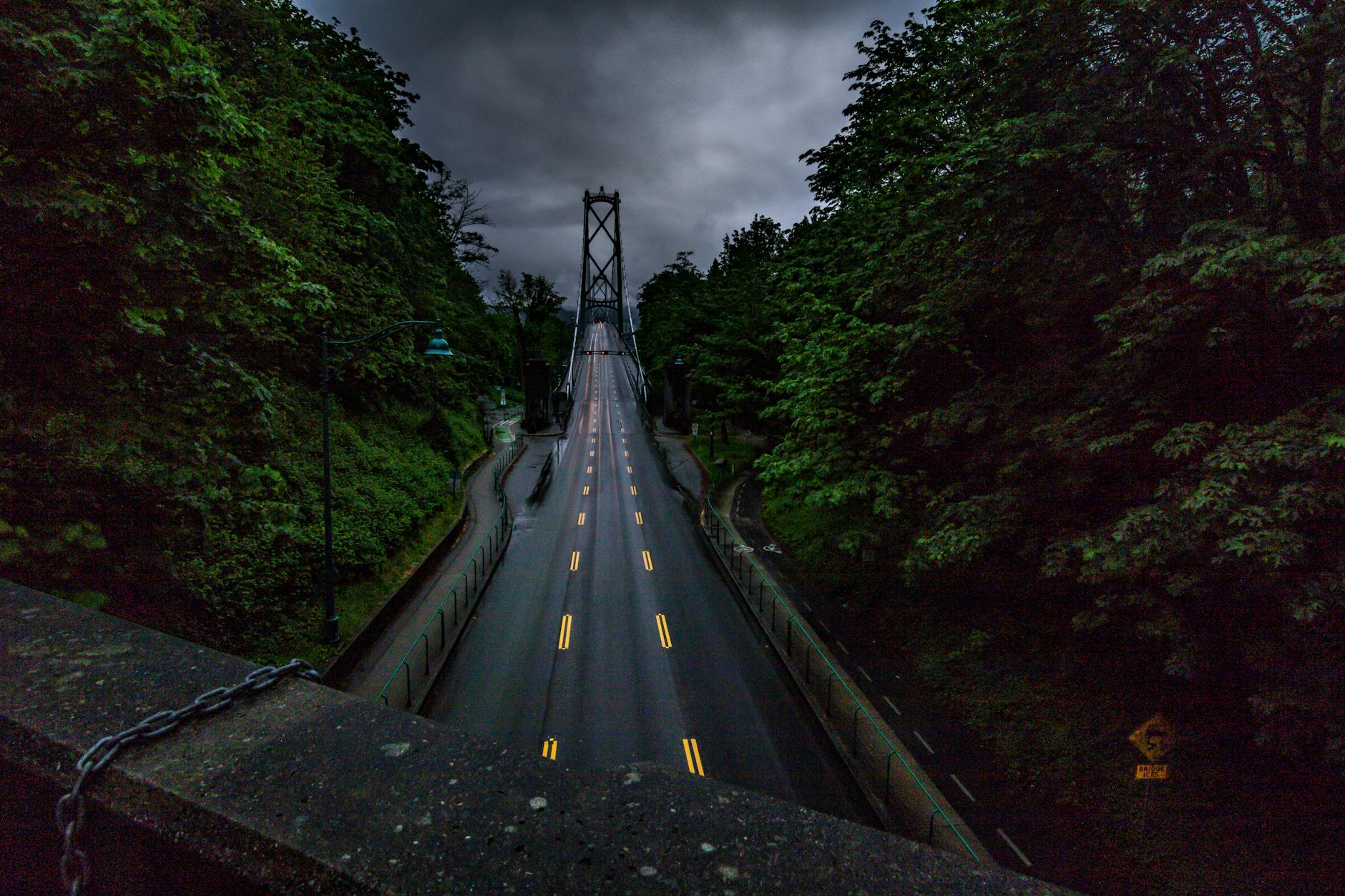
Plan your visit
- Best months
- Year-round; indoor venues peak October through April
- Getting around
- SkyTrain underground lines, SeaBus ferry, and covered walkways
- Cost
- Mix of free public spaces and ticketed indoor venues
- Good for
- Families, museum enthusiasts, shoppers, and food lovers
- Time needed
- Half-day clusters or full-day indoor itineraries
- Accessibility
- High step-free access across transit networks and main venues
Rain in Vancouver is not an interruption; it is the default backdrop for nearly half the year from October through April. Visitors who wait for clear skies often spend their trips trapped in hotel lobbies, while those who adapt find empty galleries, steaming ramen shops, and mist-wrapped temperate forests that look better in drizzle than in harsh sun. This guide helps travellers plan indoor itineraries, map wet-weather transit routes, and choose gear to navigate British Columbia's largest city comfortably. Whether exploring our Vancouver destination hub or venturing further into our British Columbia provincial hub, wet-weather planning ensures your schedule remains uninterrupted.
In short: Vancouver receives steady rainfall throughout autumn, winter, and spring, making indoor cultural spaces and covered market districts essential for your itinerary. Pair major downtown hubs like the Vancouver Art Gallery and the Central Library with transit-linked neighbourhoods like Granville Island to keep your trip moving rain or shine.
Operational details including admission fees, transit fares, opening hours, and seasonal dates change frequently throughout the year. We do not print prices or schedules in this guide to prevent outdated information from derailing your trip. Instead, we provide direct links to official operator pages so you can verify current schedules and ticket policies before setting out.
Vancouver rainy day attractions compared
| Attraction | Best for | Suits | Typical visit | Cost type | Parking | Stroller access | Best season |
|---|---|---|---|---|---|---|---|
| Science World | Interactive exhibits | School age | Half day | Paid ticket | Paid lot on site | Full access | Fall to spring |
| Vancouver Art Gallery | Historic art exhibits | Teens and adults | A couple of hours | Paid ticket | Nearby street parking | Full access | Year-round |
| Granville Island Market | Covered food tasting | All ages | Half day | Free entry | Paid parking on site | Partial access | Year-round |
| Bloedel Conservatory | Warm tropical indoor flora | All ages | Quick stop | Paid ticket | Paid park parking | Full access | Winter and spring |
| Vancouver Public Library | Quiet reading and architecture | All ages | Quick stop | Free | Paid underground garage | Full access | Year-round |
| Vancouver Aquarium | Marine species immersion | School age | Half day | Paid, book ahead | Paid park parking | Full access | Year-round |
Our picks
Our recommendations below reflect editorial opinions on how to maximize your time when rain hits Vancouver.
- Best for toddlers: Bloedel Conservatory offers a warm, covered indoor tropical dome filled with exotic plants and free-flying birds that keeps little ones warm and engaged.
- Best for older kids: Science World provides extensive hands-on science galleries where energetic children can experiment indoors for hours.
- Best free option: Vancouver Public Library Central Branch features soaring indoor arcades, quiet reading spaces, and public seating accessible to all.
- Best rainy-day option: Granville Island Public Market lets you sample artisan food and browse local crafts under continuous roof cover.
- Best full-day outing: Vancouver Aquarium keeps you indoors surrounded by Pacific ocean life, tropical habitats, and educational marine displays.
Seasonality and Vancouver rain patterns
Pacific storms sweep into the Lower Mainland regularly between October and April. Rainfall during autumn and winter can linger for days as continuous light drizzle rather than sudden tropical downpours. Visiting during these months requires proper waterproof outerwear, waterproof footwear, and an flexible daily plan.
Late spring brings intermittent showers mixed with sun breaks, while summer remains the driest stretch of the year. However, rain can fall during any month in coastal British Columbia. Reviewing our Vancouver in winter guide provides additional context on navigating seasonal weather patterns.
Do not let damp forecasts cancel your plans. Local hiking trails under dense forest canopies, such as those in Stanley Park or Lynn Headwaters, often stay relatively dry under heavy tree cover during light rain. For more broad itinerary ideas, check our honest Vancouver planning guide.
Navigating Vancouver transit in the rain
Public transit is the most reliable way to travel through Vancouver on wet days. The SkyTrain network connects downtown Vancouver to Burnaby, New Westminster, Surrey, and Richmond. Underground stations at City Centre, Waterfront, and Yaletown-Roundhouse let you hop between commercial corridors without stepping out into torrential downpours.
The SeaBus passenger ferry connects Waterfront Station in downtown Vancouver to Lonsdale Quay in North Vancouver across Burrard Inlet. Crossing the inlet on the ferry provides covered harbour views even on overcast days. Once at Lonsdale Quay, you walk directly into the indoor Lonsdale Quay Market.
TransLink operates the regional transit system using contactless tap payments with credit cards or re-loadable Compass Cards. Fares depend on zone boundaries and time of day. Check the official TransLink website for current fare structures, transit maps, and real-time service updates.
Parking strategies for wet weather
Driving in downtown Vancouver during rainfall involves heavy traffic congestion, reduced visibility, and limited street parking. Underground parkades attached to major office towers, shopping centres, and municipal facilities provide dry vehicle drop-offs.
At Stanley Park and Queen Elizabeth Park, parking lots are outdoors, meaning you will walk through rain from your vehicle to facility entrances. Pay attention to parking meters operated by the City of Vancouver or EasyPark. Rates vary significantly depending on location and duration.
Our advice: park in central underground garages like the Pacific Centre mall or the Vancouver Public Library lot, then rely on foot travel through covered concourses or short transit connections. Visit the official City of Vancouver parking portal for parking regulations and garage maps.
Top rainy day attractions and indoor hubs
Science World sits along the waterfront in Vancouver. Housed in a distinctive spherical dome structure, it features rotating scientific exhibitions, physical demonstration spaces, and a large-screen theatre. It is ideal for families seeking structured indoor activity.
The Vancouver Art Gallery occupies a prominent historic building in downtown Vancouver. Featuring significant collections of celebrated regional artwork, the gallery offers an immersive cultural escape in the heart of downtown. Check the official Vancouver Art Gallery website for current exhibition schedules and ticketing.
Bloedel Conservatory sits at the highest point in the city of Vancouver inside Queen Elizabeth Park. The temperature-controlled glass dome houses tropical plants, exotic birds, and koi ponds, making it a warm refuge on frigid, grey days. Consult the official Vancouver Board of Parks and Recreation page to confirm entry hours.
The Vancouver Public Library Central Branch features a multi-level glass colonnade in downtown Vancouver. Designed with distinctive classical architecture, this public facility contains quiet reading lounges, multi-level study rooms, and covered indoor dining spaces. It remains one of the premier indoor architectural spaces in the province.
Managing costs and rainy day tickets
Indoor attractions in Vancouver vary in entry requirements. Major cultural spaces such as Science World and the Vancouver Aquarium require paid admission tickets, which often cost less when reserved online in advance. Timed entry ticketing is common during peak periods.
Public community spaces offer high-value alternatives for budget-conscious travellers. Access to the Vancouver Public Library Central Branch is ticket-free, while exploring public market halls requires no pass unless you purchase food or merchandise. For additional low-cost ideas, read our guide to free things to do in Vancouver.
Check individual operator sites directly before visiting to review family ticket bundles, student discounts, or designated free-admission evenings offered by select galleries.
Family and kid planning on wet days
Travelling with young children in damp weather requires fast transitions between transport and shelter. Science World and the Vancouver Aquarium feature dedicated cloakrooms, stroller parking areas, and indoor dining options that make extended visits comfortable for parents.
For smaller children who need room to run without expensive ticket commitments, community centres across Vancouver operate indoor drop-in play spaces. Granville Island's Kids Market features indoor play structures, toy vendors, and child-friendly eateries under one roof.
Review our family planning guide for specific age-appropriate indoor itineraries and dining recommendations suitable for infants through teenagers.
Step-free and accessible rainy day routes
Vancouver transit systems and public venues maintain strong physical accessibility standards. SkyTrain stations generally offer elevator access between street level and train platforms. SeaBus terminals offer step-free boarding for wheelchairs, scooters, and strollers.
indoor attractions including the Vancouver Art Gallery, Science World, and Bloedel Conservatory provide ramped entrances, wide display corridors, and accessible washroom facilities. Hydraulic elevators serve all floors at the Vancouver Public Library Central Branch.
Accessible parking spaces are located adjacent to main entrances at most municipal venues. Contact venue guest services or check official accessibility pages prior to visiting to confirm elevator maintenance status and special access requirements.
Where to eat and seek cover by neighbourhood
Granville Island Public Market sits beneath the Granville Street Bridge on False Creek. The sprawling indoor market hall features dozens of independent food vendors selling hot soups, fresh baked goods, seafood, and coffee, allowing visitors to sample local cuisine without leaving roof cover.
Downtown's Robson Street and Alberni Street corridors feature extensive indoor shopping arcades, underground food halls, and heated patio spaces. Pacific Centre mall connects multiple city blocks underground, letting shoppers navigate retail districts without exposure to rain.
In the Chinatown and Gastown districts, historic brick architecture houses cozy tea shops, independent bookstores, and traditional ramen restaurants. These neighbourhoods offer dense dining options within short walking distances of each other.
Practical wet-weather rules before you go
- Invest in proper footwear: Waterproof shoes or boots are essential; canvas sneakers absorb water quickly on wet city pavements.
- Carry a compact umbrella: We recommend carrying a compact umbrella, as large golf umbrellas can be impractical on crowded downtown sidewalks.
- Use waterproof transit apps: Check live bus and train arrivals on mobile apps to minimize waiting outside at exposed transit stops.
- Book timed tickets early: We suggest booking timed tickets early, as we find indoor venues get busier during heavy rainfall days as tourists move indoors.
- Pack spare socks: Keeping extra dry socks in your day bag prevents discomfort during long walking tours of indoor venues.
Questions travellers ask
- What should I pack for rainy weather in Vancouver?
- Bring a waterproof hooded jacket, comfortable waterproof shoes or boots, and a sturdy compact umbrella. Layers are recommended because indoor environments remain well heated.
- Can I visit outdoor parks like Stanley Park when it rains?
- Yes, dense coastal forest canopies provide natural shelter during light drizzle. However, stick to paved seawall paths or well-marked trails and avoid walking near large trees during high wind advisories.
- How do costs work for rainy day indoor activities?
- Vancouver offers a mix of paid ticketed venues like Science World and free options such as the Vancouver Public Library Central Branch. Check official operator websites directly for current ticket pricing and pass options.
- Is public transit easy to use during bad weather?
- SkyTrain and SeaBus routes offer reliable, covered transport between downtown and surrounding districts. Underground stations keep you dry while transferring between major corridors.
Sources & official links
Check before you go
- TransLink Regional Transit
Official transit maps, schedules, and fare zone information
- City of Vancouver
Municipal services, park maps, and Bloedel Conservatory details
- Granville Island
Public Market directory, parking advice, and vendor listings
- Science World
Exhibit updates, IMAX showtimes, and online ticketing
- Vancouver Art Gallery
Current exhibitions, accessibility notes, and visitor admission
- Vancouver Public Library
Central Branch facilities, opening hours, and visitor information
Keep reading
- Romantic Things to Do in Vancouver for Couples
- Best Free Things to Do in Vancouver: A Visitor Planning Guide
- Things to Do in Vancouver, British Columbia: A Visitor Planning Guide
- Best Vancouver Neighbourhoods to Explore: A Practical Planning Guide
- Best Things to Do in Vancouver in Summer: Honest Planning Guide
- Stanley Park: Practical Visitor Guide