Local Tips
Banff for First-Time Visitors: What to Know Before You Go
A practical first-timer's planning guide to Banff National Park, covering transit, park pass requirements, shuttle reservations, seasonality, and realistic itinerary choices.
canadaguides.ca editorial desk · August 21, 2026 · 8 min read
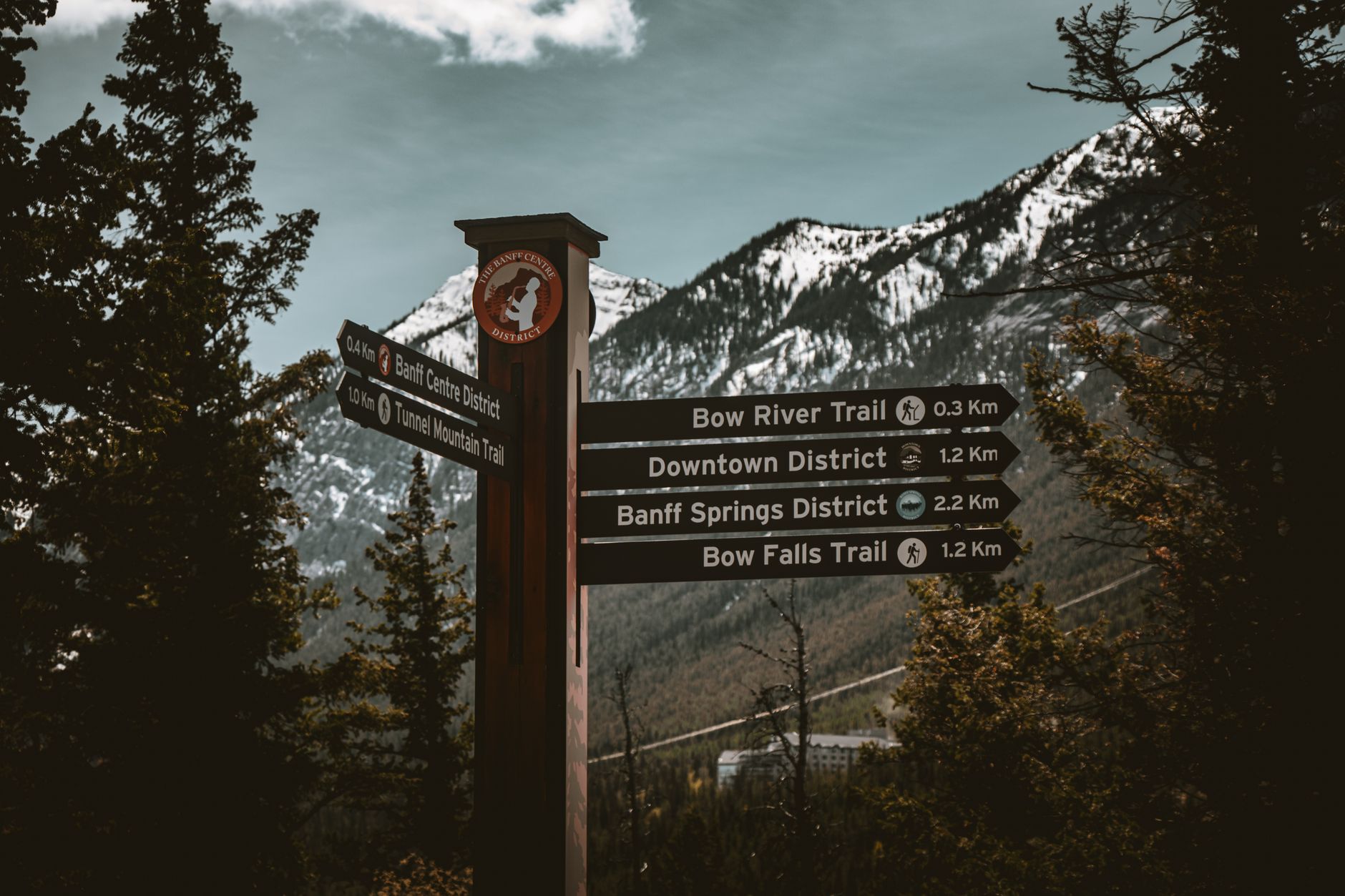
Plan your visit
- Location
- Banff National Park, Bow Valley, Alberta
- Best Months
- June to September for hiking; December to March for winter sports
- Getting Around
- Roam Transit regional buses, park shuttles, or rental vehicle
- Cost Structure
- Mandatory park pass; mix of free natural sights and ticketed attractions
- Time Needed
- 3 to 5 days for a comprehensive first visit
- Accessibility
- Step-free boardwalks at Banff Gondola, Lake Louise, and Cave and Basin
Landing in the Canadian Rockies for the first time can feel overwhelming. Banff National Park spans thousands of square kilometres, and first-time visitors frequently underestimate transit logistics, shuttle booking windows, and park pass requirements. Whether you drive in from Calgary or rely entirely on public transit, successful trips come down to timing and booking your transportation early.
In short: First-time visitors should base themselves in the Banff townsite, buy a Parks Canada pass before arrival, and rely on public shuttles for major lakes. Focus your first trip on Sulphur Mountain, Lake Louise, Moraine Lake, and Johnston Canyon rather than rushing across the entire park.
Fees, fares, opening schedules, and seasonal shuttle dates change frequently. To ensure accuracy, this guide links directly to official operators and government agencies for real-time details rather than quoting static figures.
Banff highlights compared
| Attraction | Best for | Suits | Typical visit | Cost type | Parking | Stroller access | Best season |
|---|---|---|---|---|---|---|---|
| Banff Gondola | Mountain panoramas | All ages | A couple of hours | Paid ticket | On-site paid parking | Fully accessible | Year-round |
| Lake Louise Boardwalk | Glacial lake views | All ages | A couple of hours | Free, paid parking | On-site paid parking | Accessible boardwalk | Late spring to autumn |
| Moraine Lake | Canoeing & photo spots | School age & adults | Half day | Ticketed shuttle | No personal cars allowed | Partial gravel access | Summer to early autumn |
| Johnston Canyon | Waterfall walks | School age & adults | Half day | Free | On-site free parking | Paved lower, narrow upper | Year-round |
| Cave and Basin | Heritage & thermal waters | All ages | A couple of hours | Paid ticket | On-site free parking | Fully accessible | Year-round |
| Lake Minnewanka | Boat cruises & picnics | All ages | Half day | Free, paid options | On-site paid parking | Accessible lakeside | Summer & autumn |
Our picks
Our editorial picks highlight the best practical options for first-time visitors based on accessibility, scenery, and overall value:
- Best for first-timers: Banff Gondola. Riding to the top of Sulphur Mountain gives you an immediate geographic orientation of the Bow Valley and surrounding mountain ranges.
- Best for repeat visitors: Lake Minnewanka Cruise. Returning travelers often skip downtown and head onto the water for historical tours and quieter lakeshore trails.
- Best free option: Johnston Canyon Lower Falls. The sturdy elevated catwalk through the canyon provides dramatic views of rushing water without entry fees.
- Best rainy-day option: Cave and Basin National Historic Site. Interactive indoor exhibits, historical stone tunnels, and covered boardwalks keep you dry while learning park history.
- Best full-day outing: Lake Louise and Moraine Lake combination day. Combining both iconic lakes via local park shuttles makes for a classic mountain day trip.
When to go: understanding Banff seasons
Banff is a true four-season destination, but the experience changes radically depending on the month. Summer brings turquoise lakes, open alpine hiking trails, and long daylight hours. It is also the busiest period, requiring shuttle reservations months in advance.
Autumn arrives early in the Rockies. Larch trees turn bright yellow in mid-to-late September, which is a popular time for alpine trails like Larch Valley. Snow can fall as early as October, closing high-elevation roads and outdoor summer operations.
Winter transforms the valley into a ski destination with deep snow cover from December through April. Lakes freeze over, offering outdoor skating and snowshoeing. Spring is a shoulder season where low-altitude trails thaw while upper elevation passes remain snowy and avalanche-prone through May.
Getting there and getting around
The main regional highway links Calgary to the Banff townsite. Driving takes just under two hours from Calgary International Airport under clear road conditions.
If you prefer not to drive, regional express buses link Calgary airport directly to Banff hotels. Once in town, Roam Transit operates regular municipal and regional routes. Local transit routes serve Banff Avenue and the Banff Gondola at Sulphur Mountain, while also connecting to the Fairmont Banff Springs and local hiking trailheads. Check the official Roam Transit website for current schedules and fare pass options. For more car-free tips, read our guide to Banff without a car.
Parking reality in Banff townsite and park sights
Parking in downtown Banff is tightly managed. Parking structures on Bear Street and at the Banff Train Station offer reliable space, but we recommend skipping the highly sought-after surface stalls along Banff Avenue. Downtown parking uses smart meters and mobile payment apps; check the Town of Banff parking portal for current rates and zones.
At major natural sights, parking is severely limited. Parking at Lake Louise requires paid parking permits during peak months and often fills early in the morning. Parks Canada limits personal vehicle access toward Moraine Lake, requiring visitors to take park shuttles or commercial buses. Our advice: park your vehicle at the Banff Train Station or the Lake Louise Park and Ride and rely on transit shuttles.
What to actually do: prioritizing your first visit
With limited time, focus on core locations before adding secondary detours. Start by exploring downtown Banff, visiting the Cascade of Time Garden, and taking Roam Transit up Sulphur Mountain for panoramic boardwalk views.
Allocate a full day for Lake Louise and Moraine Lake. Booking an official Parks Canada shuttle from the Lake Louise Park and Ride ensures reliable access to both shores without parking headaches. Detailed steps are covered in our guide to visiting Moraine Lake.
What to skip on a first visit? Skip driving back and forth between isolated viewpoints along Highway 1 during peak traffic hours. Instead, cluster your activities by area—such as combining Lake Minnewanka with Two Jack Lake on one afternoon.
Costs and budget considerations
Visiting Banff involves several distinct cost categories: national park entry, regional transit or vehicle rental, attraction tickets, accommodation, and food. Every vehicle stopping within Banff National Park requires a valid Parks Canada Pass. If staying longer than seven days, a national Discovery Pass is often the most cost-effective choice.
Attractions such as the Banff Gondola, Lake Minnewanka cruises, and hot springs require paid admission or timed tickets. Many scenic walks, including Johnston Canyon and Bow Falls, carry no entry fee beyond your standard park pass. Check current park pass fees on the Parks Canada pricing page.
Families and kids in Banff
Banff is exceptionally child-friendly, though trail selection matters. Paved paths like the Bow River Trail in downtown Banff and the lower boardwalk at Lake Louise accommodate strollers easily. Johnston Canyon features sturdy safety railings along the lower catwalks, though narrow sections require close supervision for toddlers.
Washrooms and changing facilities are available at major visitor hubs, including the Banff Visitor Centre, Lake Louise shorefront, and Sulphur Mountain summit. For a complete family itinerary, see our guide on Banff with kids.
Accessibility provisions
Banff National Park has improved step-free accessibility across major visitor facilities. The Banff Gondola features accessible upper terminal boardwalks and elevators. Cave and Basin National Historic Site offers ramp access to indoor museum exhibits and outdoor hot spring sites.
Accessible parking stalls are designated at primary Parks Canada parking areas, including Lake Louise and Johnston Canyon. Adaptive equipment rentals and accessible trail information are detailed on the Parks Canada accessibility guide.
Key practical rules before you go
- Park passes are mandatory: Keep your printed Parks Canada pass visible on your vehicle dashboard at all times when parked inside the park.
- Wildlife distance rules: Always maintain a safe distance from elk and deer, and stay even farther from bears, wolves, and cougars. Carry bear spray and know how to release the safety clip.
- Shuttle bookings: Parks Canada shuttle tickets for Moraine Lake and Lake Louise release on specific spring dates, with rolling seats released 48 hours in advance. Reserve on the official Parks Canada reservation service.
- Altitude and weather: The townsite sits at a high elevation. Rapid weather shifts bring sudden rain or cold wind even in mid-summer; dress in synthetic or wool layers.
Explore broader provincial trip planning on our Alberta destination hub or return to our comprehensive Banff destination hub.
Questions travellers ask
- Do I need a park pass if I am only staying in the Banff townsite?
- Yes. The Banff townsite sits entirely inside Banff National Park. Anyone stopping, parking, or staying in town must display a valid Parks Canada Pass.
- Can I drive my rental car directly to Moraine Lake?
- No. Personal vehicles are prohibited on Moraine Lake Road year-round. Visitors must use Parks Canada shuttles, Roam Transit seasonal routes, or authorized commercial buses.
- Is public transit reliable inside Banff National Park?
- Yes. Roam Transit runs frequent, scheduled bus service connecting Banff townsite hotels, Sulphur Mountain, Lake Minnewanka, Johnston Canyon, and Lake Louise.
- How far in advance should I plan my first trip to Banff?
- We recommend reserving lodging and official shuttle tickets several months ahead for summer trips, as summer accommodations and park shuttle reservations sell out early.
Sources & official links
Check before you go
- Parks Canada - Banff National Park
Official national park management site for alerts, passes, and trail reports.
- Town of Banff
Municipal site with parking maps, local alerts, and town transit updates.
- Roam Transit
Official public transit operator for Banff, Canmore, and regional park shuttles.
- Banff Lake Louise Tourism
Official destination marketing organisation for local business listings and trip ideas.
Keep reading
- What to Do in Banff on a Rainy Day: Practical Planning Guide
- Visiting Moraine Lake: Practical Planning Guide
- Lake Louise Day Trip: Practical Planning Guide
- Best Scenic Drives Around Banff: Practical Road Trip Guide
- Best Easy Hikes in Banff for Beginners: Low Elevation Gain Trails
- Banff with Kids: Practical Family Guide