Things To Do
Things to Do in Niagara Falls: Beyond the Tourist Traps
Discover the best attractions, trails, and transit routes around Niagara Falls, Ontario, while avoiding commercial tourist traps and unnecessary parking fees.
canadaguides.ca editorial desk · August 7, 2026 · 8 min read
Plan your visit
- Best months
- May to October for outdoor attractions; winter for mist ice and light displays
- Getting around
- WEGO shuttle bus system, GO Transit, and paved river walkways
- Cost shape
- Free lookout promenade; paid passes for boat tours and historic sites
- Time needed
- One full day for core sights; two to three days for full parkway exploration
- Accessibility
- Step-free viewing decks and elevator access at major park venues
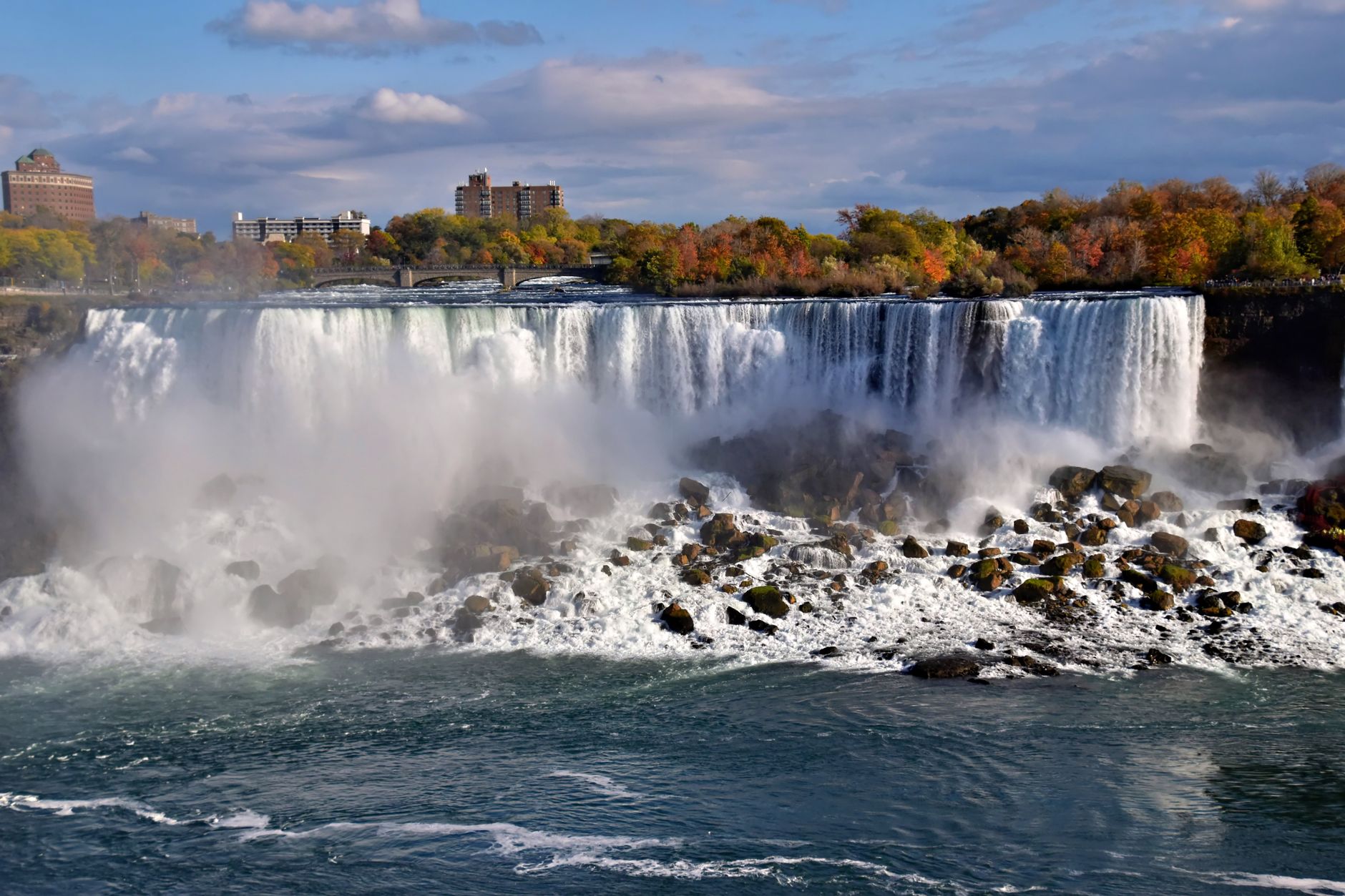
Skip the commercial traps on Clifton Hill and head straight for the gorge promenade. Niagara Falls offers one of North America's most impressive natural spectacles, but navigating the distinction between protected parkland and noisy tourist arcades requires a solid plan. This guide covers the best viewpoints, historic sites, public transit networks, parking strategies, and park passes for visitors planning a trip to Niagara Falls, Ontario.
Summary: Focus your time on the natural river gorge, historic energy sites, and continuous parklands maintained along the Niagara Parkway. Rely on public transit shuttles or bundled park passes to navigate the tourist zone without paying separate parking fees at every stop.
Operational details change without notice throughout the year. Opening hours, shuttle frequencies, parking rates, and attraction ticket costs fluctuate seasonally. We link directly to official management authorities—including Niagara Parks and GO Transit—so you can verify current pricing and schedules before setting out.
Niagara Falls attractions compared
| Attraction | Best for | Suits | Typical visit | Cost type | Parking | Stroller access | Best season |
|---|---|---|---|---|---|---|---|
| Niagara City Cruises | Falls mist view | All ages | A couple of hours | Paid, book ahead | Paid, nearby lots | Paved ramps | Late spring to autumn |
| Journey Behind the Falls | Up-close vantage | All ages | A couple of hours | Paid ticket | Paid, on-site lot | Elevator accessible | Year-round |
| Niagara Glen Nature Reserve | Gorge hiking | Teens and adults | Half day | Free, paid parking | Paid, on-site lot | Rough stairs only | Spring to autumn |
| White Water Walk | River boardwalk | School age | A couple of hours | Paid ticket | Paid, on-site lot | Elevator accessible | Late spring to autumn |
| Butterfly Conservatory | Indoor nature | Toddlers | A couple of hours | Paid ticket | Paid, on-site lot | Paved pathways | Year-round |
| Niagara Parks Power Station | Industrial history | School age | A couple of hours | Paid ticket | Paid, nearby lots | Fully accessible | Year-round |
| Queen Victoria Park | Parklands and views | All ages | Half day | Free | Paid, nearby lots | Paved paths | Late spring to autumn |
Our picks
Our editorial recommendations highlight the best choices depending on who is travelling with you:
- Best for toddlers: Butterfly Conservatory. Flat, paved climate-controlled indoor pathways allow strollers to roll easily while little ones observe thousands of free-flying tropical butterflies.
- Best for older kids: White Water Walk. Riding an elevator down to boardwalks beside class-six rapids gives older children an immediate sense of the river's sheer hydraulic force.
- Best free option: Queen Victoria Park promenade. Walking the continuous paved edge overlooking the brink of Horseshoe Falls costs nothing and provides unmatched sightlines.
- Best rainy-day option: Niagara Parks Power Station and Tunnel. Step inside historic restored brick architecture, explore interactive soundscapes, and ride a glass elevator down to an underground tailrace tunnel leading to a river-level viewing platform.
- Best full-day outing: Niagara Parkway scenic corridor. Explore scenic lookouts, floral displays, historic battlefields, and gorge trails extending all the way from Fort Erie past the falls down to Niagara-on-the-Lake.
When to go to Niagara Falls
Every season brings a distinct trade-off along the river gorge. Summer offers full operational schedules, fully blooming botanical displays, and active boat tours, but we recommend planning for heavy road congestion and crowded pedestrian paths. Autumn delivers cool hiking weather, vibrant autumn foliage along the gorge cliffs, and we generally notice smaller crowds after Labour Day weekend.
Winter provides a quiet landscape framed by frozen mist formations on surrounding trees and dramatic ice buildup along the river edge. While outdoor boardwalks like White Water Walk and boat tours pause operations during winter, indoor venues, illuminated evening views, and the winter festival light displays remain active. Spring brings rising water volume from seasonal meltwater alongside blooming spring tulips across Queen Victoria Park. Check Niagara Parks to confirm seasonal operating schedules for individual outdoor attractions.
Getting there and getting around
Driving from Toronto or Hamilton involves taking the Queen Elizabeth Way (QEW) highway directly into the city of Niagara Falls. We find that during peak summer weekends, traffic along highway bottlenecks can add substantial time to the journey.
GO Transit provides regional transit access to the area. Regional GO Bus routes connect regional transit hubs directly to Niagara Falls, while direct GO Train service also connects major urban centers to the Niagara Falls station. See GO Transit for current train schedules, fare structures, and tap-to-pay options using credit or transit cards.
Once in town, leave your vehicle parked and use the local WEGO shuttle bus system. The network functions as a dedicated hop-on, hop-off visitor transit option operating along distinct designated routes:
- Green Line: Runs along the Niagara Parkway connecting major gorge attractions from the floral clock down to Table Rock Centre.
- Blue Line: Connects the Fallsview hotel district with Clifton Hill and city transit hubs.
- Red Line: Serves Lundy's Lane hotel corridors and commercial zones.
Detailed transit maps and multi-day pass choices are available on the official WEGO Transit platform.
For broader regional travel planning across the province, explore our comprehensive /destinations/ontario guide or dive deeper into local itinerary options on our dedicated /destinations/ontario/niagara-falls page.
Parking strategies around the falls
Parking directly adjacent to Horseshoe Falls along River Road carries premium rates managed by Niagara Parks and municipal operators. Our advice: arrive early on summer weekends, as parking lots closest to Table Rock Centre fill rapidly.
To avoid gridlock and save money, consider these editorial strategies:
- Use peripheral park-and-ride lots: Park further north along the Niagara Parkway or at designated rapid transit hubs and ride the WEGO Green Line shuttle directly to the brink of the falls.
- Consolidate parking with a daily pass: Niagara Parks offers daily and seasonal parking passes valid across multiple official lots along the parkway, allowing you to move between sites like the Butterfly Conservatory and Whirlpool Aero Car under a single vehicle pass fee.
- Check hotel parking terms: Many Fallsview district hotels charge daily parking fees separate from room rates. Confirm whether off-site or public parking options suit your itinerary better than hotel garage rates. Check Niagara Parks Parking for official parking lot locations and current pass rules.
What to actually do in Niagara Falls
Here is our ranked guide to spending your time effectively along the river:
- Walk the Queen Victoria Park Promenade: Start at the Rainbow Bridge footings and walk south along the wide paved promenade. You will pass directly in front of the American Falls and Bridal Veil Falls before reaching the thunderous crest of Horseshoe Falls at Table Rock Centre.
- Niagara City Cruises: Take the official catamaran boat tour straight into the heavy mist basin beneath Horseshoe Falls. Ponchos are provided, but expect to get damp from the airborne spray.
- Journey Behind the Falls: Descend by elevator into bedrock tunnels carved behind the curtain of Horseshoe Falls. Observation portals cut through the rock offer intense views of falling water, alongside an open lower observation deck at the base of the cliff.
- Niagara Parks Power Station and Tunnel: Tour the historic 1905 industrial station restored with interactive exhibits. Ride a subterranean glass elevator down to a long discharge tunnel that leads straight out to a massive outdoor platform along the lower Niagara River.
- White Water Walk: Ride an elevator down through the gorge wall to reach a quarter-mile wooden boardwalk built directly alongside class-six whitewater rapids in the Niagara River gorge.
- Niagara Glen Nature Reserve: Follow rugged dirt trails and steep wooden stairways down into prehistoric carolinian forest remnants along the gorge floor. This is a quiet natural area suited for hiking and boulder viewing away from commercial structures.
- Whirlpool Aero Car: Ride an open-air vintage cable car suspended high above the swirling waters of the Niagara Whirlpool, operating continuously along overhead cables since 1916.
The honest take on Clifton Hill
Clifton Hill is a steep hill lined with bright neon signage, wax museums, mirror mazes, haunted houses, and massive video arcades. While young children and teenagers often enjoy the amusement park atmosphere, it operates as a private commercial strip isolated from the natural conservation values of the river parkway. Prices for individual attractions add up quickly. We recommend treating Clifton Hill as an optional evening stroll rather than the focal point of your trip.
Costs, passes, and budgeting
Planning a budget for Niagara Falls depends on separating free public lands from ticketed experiences:
- Free experiences: Enjoying the falls lookout promenade, exploring Queen Victoria Park, walking through Dufferin Islands, and viewing the floral clock cost no entry fee.
- Ticketed venues: Boat tours, power station tunnel access, cable cars, and specialized indoor exhibits require individual paid admission tickets.
- Bundled attraction passes: Niagara Parks sells combined attraction passes (such as the Niagara Parks Adventure Pass) that package top gorge sites alongside WEGO transit access over multiple days. Buying a bundled pass is generally far more economical than purchasing separate tickets at each venue gateway. Check Niagara Parks to compare current pass tiers and included features.
Families and kids advice
Navigating Niagara Falls with young family members is straightforward if you plan for physical stamina and weather exposure:
- Stroller accessibility: The primary sidewalk from the Rainbow Bridge up past Table Rock is fully paved, smooth, and wide enough for double strollers. However, we'd expect crowded conditions on sunny weekends.
- Restroom facilities: Large, clean public washrooms with baby-changing tables are located inside Table Rock Centre, the Niagara Parks Power Station, and the Butterfly Conservatory.
- Managing fatigue: We think walking the entire stretch from the falls back up steep inclines toward upper hotel districts can tire young children rapidly. Take advantage of the WEGO shuttle network or the Falls Incline Railway to move between the ridge and the river level.
- Snack planning: Commercial food options near major lookouts skew toward quick-service chains. Packing water bottles and portable snacks in your daypack keeps kids energized between sit-down meals.
Accessibility considerations
Niagara Parks maintains strong accessibility standards across its public properties:
- Step-free viewing: Queen Victoria Park features continuous level concrete walkways overlooking the falls. Table Rock Centre offers automated doors, wide elevator access across all floors, and step-free viewing decks.
- Accessible attractions: Journey Behind the Falls, the Niagara Parks Power Station, and the Butterfly Conservatory feature step-free main entries, ramped access, and wide elevators.
- Attraction limitations: The White Water Walk offers full elevator access down to river level, though boardwalk surfaces contain minor wood transitions. The Niagara Glen Nature Reserve is strictly non-accessible due to steep natural terrain and hundreds of rough stair steps leading down the cliffside.
- Parking and transit: Local visitor shuttle buses offer step-free boarding options and designated spaces for mobility devices. Official parking lots offer designated accessible parking stalls close to main entrances. Review Niagara Parks Accessibility for official access maps and facility descriptions.
Where to eat and stay
Where you book your accommodation shapes your daily transit routine:
- Fallsview District: Located along the high ridge overlooking the gorge. Mid-rise and high-rise hotels here offer sweeping direct views of Horseshoe Falls. Walking down to the water edge requires negotiating steep hills or riding the Falls Incline Railway.
- Clifton Hill / City Centre: Central hotel options put you within walking distance of casual dining chains and entertainment venues, though views of the actual falls are blocked by parkland foliage and topography.
- Lundy's Lane: Located further inland, this long commercial street features budget-friendly motels and family hotels linked directly to the falls via the WEGO Red Line.
Dining insight
Avoid overpriced tourist restaurants on Clifton Hill and upper tourist strips. For better quality and value, head a few blocks inland to downtown Niagara Falls along Queen Street, where local bakeries, craft breweries, and independent bistros cater to residents.
What to know before you go
- Prepare for heavy spray: Winds frequently blow water mist directly over the lookout promenade near Table Rock. Pack a light windbreaker or waterproof jacket, even on sunny summer days.
- Book popular tours ahead: We recommend reserving your entry slots online before arriving, as Niagara City Cruises and power station tunnel tickets can sell out during peak summer days.
- Cross-border travel rules: International bridge crossings near the falls provide direct pedestrian and vehicular access across the border. Ensure every traveler carries valid passports or travel documents if planning to walk across.
- Respect park boundaries: Stay behind safety railings along the gorge cliff edges at all times. Water currents in the river above and below the falls are extremely violent and pose a severe hazard.
Questions travellers ask
- How much does it cost to view Niagara Falls?
- Walking along the Queen Victoria Park promenade and viewing the falls from above is completely free. Individual paid tickets or bundled attraction passes are required for boat tours, elevator tunnels, and historic sites. Check official operator sites like Niagara Parks for current pricing.
- What is the easiest public transit option from Toronto to Niagara Falls?
- GO Transit operates direct rail services between Toronto Union Station and Niagara Falls Station, alongside year-round GO Bus routes connecting via Burlington. Check GO Transit for current schedules and transit pass options.
- Is Niagara Falls stroller accessible?
- Yes. The main lookout promenade stretching from Rainbow Bridge past Table Rock Centre features wide, paved, step-free pathways suitable for strollers. Major venues like the Butterfly Conservatory and Power Station also provide full step-free access.
- How do I get around Niagara Falls without driving?
- The official WEGO shuttle bus system links major hotel districts, Clifton Hill, and all Niagara Parks attractions along dedicated colour-coded routes. Passes can be purchased individually or bundled with park attraction passes.
Sources & official links
Check before you go
- Niagara Parks Official Site
Official guide for attraction tickets, park passes, parking, and accessibility
- GO Transit
Official train and bus schedules between Toronto and Niagara Falls
- WEGO Transit System
Official visitor shuttle transit routes, maps, and pass details
- City of Niagara Falls
Municipal information, local events, and city services
Keep reading
- Things to Do in Vancouver, British Columbia: A Visitor Planning Guide
- Things to Do in Banff: A Practical Planning Guide
- Things to Do in Toronto: Practical Guide for Visitors
- Family Guide to Brampton: Top Parks, Farms, Lakes, and Activities
- Toronto Weekend Guide: How to Spend 2 Days
- Best Things to Do in Toronto with Kids: A Practical Family Guide