Weekend Itinerary
Quebec City Weekend Guide: 2-Day Old Quebec & Beyond Itinerary
A practical 2-day itinerary for exploring historic Old Quebec, Upper and Lower Town, and nearby Montmorency Falls with complete transport and parking advice.
canadaguides.ca editorial desk · August 9, 2026 · 8 min read
Plan your visit
- Best months
- June to October for walking, or Jan/Feb for Carnaval
- Getting around
- Walking, RTC public bus transit, Funiculaire
- Cost
- Free historic walking areas; paid museums and parking
- Good for
- Historic architecture, culinary walks, winter festivals
- Time needed
- 2 full days for Old Quebec and Montmorency Falls
- Accessibility
- Steep hills; Funiculaire and RTC buses offer step-free transit
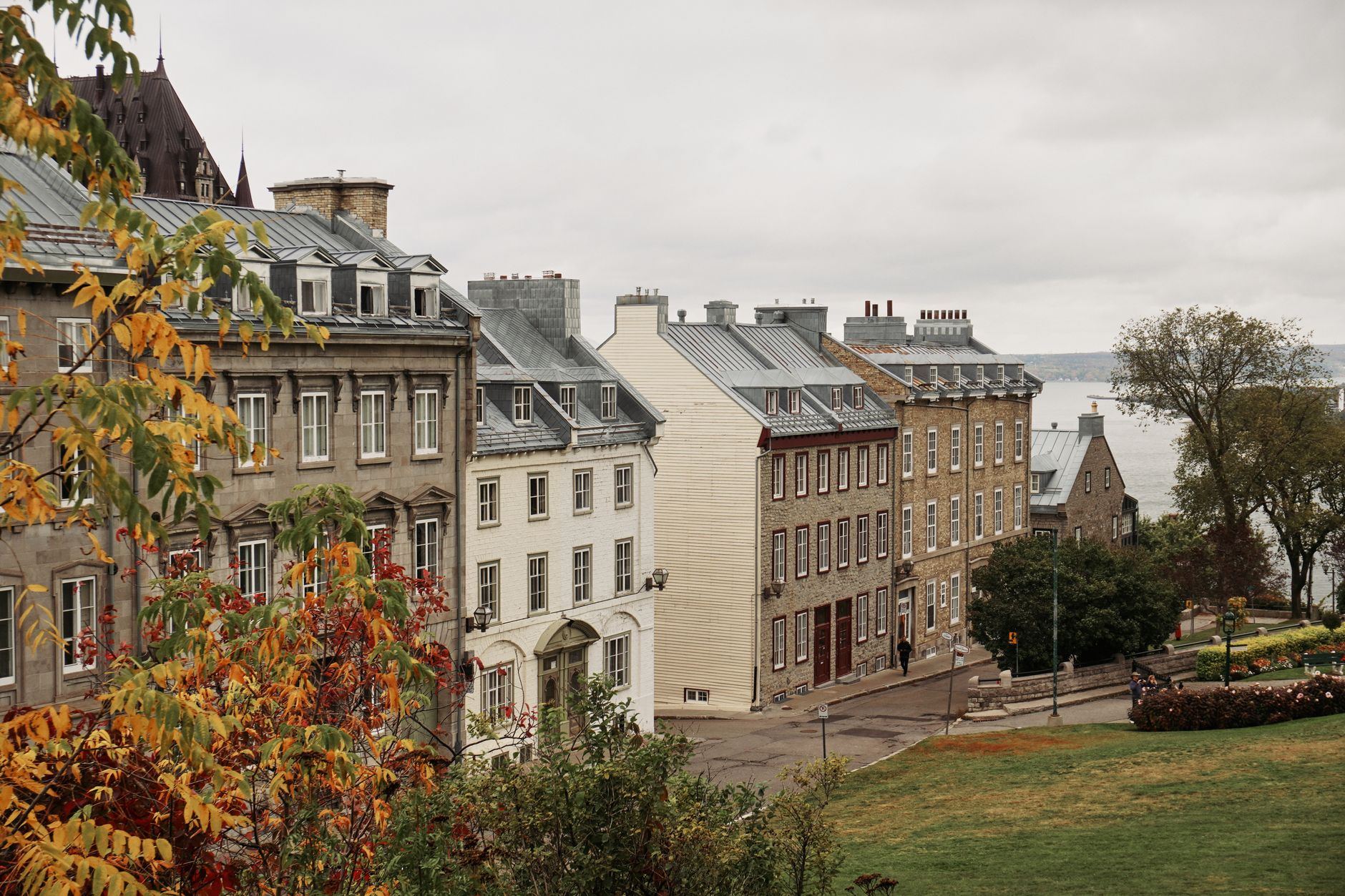
Walking Old Quebec's centuries-old stone ramparts is Canada's closest equivalent to a European weekend getaway, but steep hills and crowded tourist corridors can quickly derail a trip without a clear plan. Staying inside the historic walls puts you steps from major sights, though navigating Upper and Lower Town requires strategy. This weekend guide walks you through a practical two-day itinerary spanning the historic core and nearby Montmorency Falls, complete with transport, accessibility, and seasonal variations. Explore our full Quebec City destination guide for deeper background, or browse our Quebec travel hub to map out a broader provincial road trip.
In short: Split your weekend between a walkable Upper and Lower Town loop on day one and an out-of-town trip to Montmorency Falls on day two. Book accommodation inside or just outside the city walls to skip driving entirely while exploring the historic core.
Fees, transit fares, attraction hours, and seasonal schedules in Quebec City change without notice. Rather than quoting figures that may be outdated by the time you travel, this guide links directly to official operators and government pages so you can verify current pricing and operational details.
Quebec City key stops compared
| Attraction | Best for | Suits | Typical visit | Cost type | Parking | Stroller access | Best season |
|---|---|---|---|---|---|---|---|
| Château Frontenac & Dufferin Terrace | Iconic views and historic walks | All ages | A couple of hours | Free, paid tours | Paid garage nearby | Stroller-friendly | Year-round |
| Quartier Petit-Champlain & Place-Royale | Historic architecture and shopping | All ages | A couple of hours | Free | Paid lots nearby | Difficult cobbles | Year-round |
| Citadel of Quebec & Fortifications | Military history and city ramparts | Teens and adults | A couple of hours | Paid ticket | Limited paid nearby | Moderate stairs | Late spring to autumn |
| Parc national de la Chute-Montmorency | Waterfall views and cable car | All ages | Half day | Paid, book ahead | Paid lot on site | Partial access | Year-round |
| Musée national des beaux-arts du Québec | Art exhibits and quiet respite | School age and older | A couple of hours | Paid ticket | Paid lot on site | Fully accessible | Year-round |
| Plains of Abraham | Open parkland and walking paths | All ages | Half day | Free | Paid street parking | Stroller-friendly | Summer and winter |
Our picks
Here are our editorial picks for planning your time in Quebec City:
- Best for first-timers: Quartier Petit-Champlain and Place-Royale. Walking these stone lanes early in the morning offers an unmatched atmosphere before day-trippers arrive.
- Best for repeat visitors: Musée national des beaux-arts du Québec (MNBAQ) and the surrounding Saint-Jean-Baptiste neighborhood. It gives you a deeper look at Quebec art and local culinary culture away from tourist crowds.
- Best free option: Walking the historic fortifications and Dufferin Terrace. Enjoying panoramic views over the St. Lawrence River costs nothing.
- Best rainy-day option: Musée de la civilisation in Lower Town. Interactive heritage displays and spacious indoor exhibits keep all ages engaged on wet afternoons.
- Best full-day outing: Combining Parc national de la Chute-Montmorency with a scenic drive or transit trip through the rural Île d'Orléans agricultural region.
Day 1: Upper Town, Lower Town, and Old Quebec historic core
Start early on Dufferin Terrace, the wooden boardwalk framing the St. Lawrence River directly below Le Château Frontenac. Take in the river views before heading down into Quartier Petit-Champlain and Place-Royale, the historic birthplace of French North America. The descent from Upper Town (Haute-Ville) to Lower Town (Basse-Ville) can be made via the steep Escalier Casse-Cou (Breakneck Steps) or the funicular.
In Place-Royale, visit the Notre-Dame-des-Victoires church, a historic stone church. After exploring Lower Town, head along Rue Saint-Paul for antique shops and lunch. In the afternoon, climb back up to Upper Town to walk along Rue Saint-Jean, passing through the historic city gates (Porte Saint-Jean and Porte Saint-Louis). End your day strolling along the ramparts toward the Citadel of Quebec. For more detailed attraction breakdowns, read our things to do in Quebec City guide.
Day 2: Montmorency Falls and the Battlefields Trail
Spend the morning taking a short excursion northeast of the city center to Parc national de la Chute-Montmorency. The waterfall reaches a height of 83 metres, making it higher than Niagara Falls. Visitors can cross a suspension bridge directly above the crest, ride a cable car, or hike down the wooden stairway along the cliff face. Check the official SÉPAQ Montmorency page for current cable car operation and site entry passes.
Return to the city for lunch along Grande Allée, a boulevard known for sidewalk dining and 19th-century architecture. Spend the afternoon at the Plains of Abraham (The Battlefields Park), site of a historic battle between French and British forces. Visit the Musée national des beaux-arts du Québec located at the park's edge to see local Quebec artwork. Check the official MNBAQ website for current exhibit schedules.
Winter variant: Carnaval de Québec and winter strategy
Visiting during winter requires adjusting your pace and footwear, as steep cobblestone streets turn slick. The annual Carnaval de Québec turns the city into a festival venue featuring ice sculptures, night parades, and canoe races across the ice-filled St. Lawrence River. Key Carnaval sites focus around the Plains of Abraham, Place d'Youville, and near the Assemblée nationale du Québec. Check the official Carnaval de Québec page for event schedules and pass details.
Wear insulated boots with microspikes or heavy tread when navigating slopes like Côte de la Canoterie. The Dufferin Terrace toboggan slide is a seasonal winter activity; check the official Au 1884 site for slide operational conditions.
Getting there and getting around
The local airport serves the region, located west of the core. Regional bus services and passenger trains arrive at Gare du Palais, situated in Lower Town near Rue Saint-Paul. Within Old Quebec, walking is the primary way to travel.
The local transit authority, Réseau de transport de la Capitale (RTC), operates public bus routes across the city. Local bus service connects Gare du Palais and the historic center directly to Montmorency Falls. RTC offers various ticket and pass options, which can be purchased via mobile app or at transit points. Check the official RTC website for current fare options and route schedules.
To travel between Upper and Lower Town without walking stairs, an inclined funicular operates along the cliff face; visit the official Funiculaire page for operational details.
Parking reality in Old Quebec
Driving inside the stone walls of Old Quebec is frustrating due to narrow one-way streets, pedestrianized zones, and restricted parking. If arriving by car, park in a multi-level garage on the periphery of Upper Town or at Lower Town garages near Gare du Palais.
Many historic hotels do not have on-site parking and rely on valet services or public lots. Check official municipality parking pages via Ville de Québec for current street parking rules and garage locations.
Overrated stops and local alternatives
While Quartier Petit-Champlain is essential for first-time visitors, we recommend exploring its central pedestrian corridor early before it gets busy. We recommend skipping souvenir shopping on the main strip and heading instead to Rue Saint-Joseph Est in the Lower Town neighbourhood of Saint-Roch. This area is where locals dine, drink craft coffee, and shop at independent boutiques.
Similarly, rather than dining exclusively along the tourist-heavy Grande Allée strip, explore the neighborhood dining scene along Rue Saint-Jean in the Saint-Jean-Baptiste district just outside the historic walls.
Costs and budget management
Exploring Old Quebec is naturally friendly to lower budgets because walking the streets, fortifications, Dufferin Terrace, and Plains of Abraham is free. Costs accumulate through paid attraction admissions, dining, and transit or parking.
Visiting museums like the Musée de la civilisation or taking guided tours of the Citadel requires individual tickets. For budget planning, consider purchasing bundled culture passes or museum entries when available. Check individual operator sites such as Musée de la civilisation for current entry ticketing policies.
Family travel considerations
Old Quebec is engaging for families with school-age children who enjoy castles, ramparts, and historic stories. However, travelling with strollers poses physical challenges due to steep gradients, uneven cobblestones, and frequent staircases connecting Upper and Lower Town.
Use lightweight, durable strollers with rubber tires rather than small umbrella strollers, or rely on child carriers. Public washrooms are available at key tourist hubs including the tourist information center across from Le Château Frontenac and inside major museums.
Accessibility and hill-climb navigation
Navigating Old Quebec presents steep topographical challenges for travelers with mobility limitations. Upper and Lower Town are separated by a dramatic cliff face. The funicular provides step-free transit between Upper Town (near Dufferin Terrace) and Lower Town (at Petit-Champlain), though users must cross short stone pathways to reach the entry doors.
RTC public transit buses feature low-floor entry and ramp access for wheelchair users, making local bus routes a practical alternative for traveling around the periphery of the historic district. For detailed accessibility guides for municipal sites, refer to Kéroul and official government accessibility resources.
What to know before you go
- Language: French is the official language of Quebec. Service staff in tourist areas speak English fluently, but opening conversations with a simple "Bonjour" is expected and appreciated.
- Footwear: Wear comfortable, closed-toe walking shoes with strong tread. The combined impact of stone pavements and incline walking tests lightweight footwear quickly.
- Reservations: Our advice: book dinner reservations days or weeks ahead for popular restaurants in Saint-Roch, Upper Town, and Petit-Champlain during summer peak and winter festival periods.
- Winter gear: If visiting from December through March, bring windproof outer layers, thermal base layers, and insulated waterproof footwear.
Questions travellers ask
- How do I get between Upper Town and Lower Town in Old Quebec?
- You can walk down or up via historic steps such as Escalier Casse-Cou or steep street inclines like Côte de la Montagne. For a step-free option, use the Funiculaire du Vieux-Québec incline elevator, which links Dufferin Terrace directly to Quartier Petit-Champlain.
- Is two days enough time to visit Quebec City?
- Two days is ideal for taking in the highlights of Old Quebec's Upper and Lower Towns while adding a half-day trip to Montmorency Falls. It gives you enough time for historic walking tours, museum visits, and evening dining without feeling rushed.
- Can I visit Quebec City without renting a car?
- Yes, Old Quebec is highly walkable, and regional trains or buses bring you directly to Gare du Palais in Lower Town. Local RTC buses serve nearby sights like Montmorency Falls, making a car unnecessary for a weekend stay.
- What is the best way to travel around Old Quebec in winter?
- Bundle up in thermal layers and wear waterproof winter boots with high-traction soles or ice cleats for walking slick hills. Stick to main cleared thoroughfares like Rue Saint-Jean and use RTC transit buses or taxis when moving between neighbourhoods in freezing weather.
Sources & official links
Check before you go
- Sépaq - Parc national de la Chute-Montmorency
Official park information, entry passes, and cable car details
- Réseau de transport de la Capitale (RTC)
Public transit routes, schedules, and ticket purchasing
- Musée de la civilisation
Exhibition programming and ticket information
- Musée national des beaux-arts du Québec
Art collection details and admission policies
- Ville de Québec
Municipal parking maps and official city services
Keep reading
- Quebec City in Summer: Things to Do and Planning Guide
- Quebec City with Kids: Practical Family Guide
- Quebec City for First-Time Visitors: Planning & Travel Guide
- Quebec City in Winter: Things to Do and Planning Guide
- Things to Do in Quebec City: Practical City Guide
- Vancouver in 3 Days: Practical Itinerary